


What’s one key visual element for a Pro Artist Portfolio to define elegance and attract discerning clients?

In the highly competitive world of professional art, a portfolio isn’t just a collection of work; it’s a meticulously crafted statement of an artist’s vision, skill, and brand. For artists aiming to attract discerning clients—those who value quality, originality, and sophisticated presentation—the visual elements of a portfolio are paramount. But amidst the clamor for vibrant colors, innovative techniques, and diverse offerings, one subtle yet incredibly powerful visual element often gets overlooked, yet it defines elegance and commands attention like no other.
The Unsung Hero: Intentional Negative Space
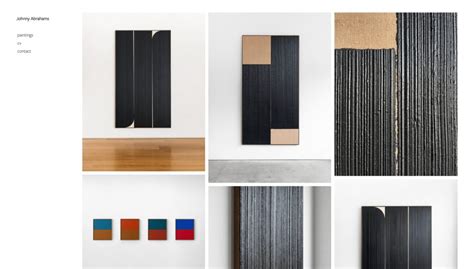
The single most crucial visual element for a professional artist’s portfolio to exude elegance and captivate discerning clients is the strategic deployment of intentional negative space. Often misunderstood as mere “empty space,” negative space is, in fact, an active and vital component of design. It’s the area around and between the subjects of an image, or in the context of a portfolio, the deliberate blankness surrounding your artwork, text, and other elements.
Unlike accidental gaps, intentional negative space is carefully considered and purposefully integrated. It doesn’t just happen; it’s designed. This thoughtful approach immediately signals sophistication and control, telling a client that every aspect of your presentation, much like your art, is considered and refined.

Why Negative Space Commands Elegance
Elegance in a portfolio isn’t about extravagance; it’s about clarity, balance, and quiet confidence. Intentional negative space achieves this by:
- Creating Breathing Room: Overcrowded portfolios scream desperation and can overwhelm a viewer. Ample negative space allows each piece of art to breathe, giving it the individual attention it deserves. It prevents visual noise and allows the eye to rest and process what it sees.
- Focusing Attention: By stripping away distractions, negative space directs the viewer’s gaze precisely to your artwork. It acts as a frame, enhancing the prominence and impact of your featured pieces. The art becomes the undisputed star of the show.
- Signaling Professionalism and Confidence: An artist who uses negative space effectively conveys confidence in their work. It says, “My art is strong enough to stand on its own, without needing to fill every available pixel.” This subtle self-assurance resonates strongly with high-value clients who seek partners with clear vision and professionalism.

Attracting Discerning Clients Through Subtlety
Discerning clients are often bombarded with options. They are looking for quality, unique vision, and a partner who understands the value of aesthetic refinement. A portfolio rich in intentional negative space subtly communicates these values:
- Sophistication and Taste: It reflects a deep understanding of design principles and a refined aesthetic sensibility. This aligns perfectly with clients who appreciate subtlety and understated luxury.
- Exclusivity and Value: Just as high-end brands use spacious layouts in their advertising, a minimalist, spacious portfolio implies a premium offering. It suggests that your art is valuable, not a commodity to be crammed into a tight space.

Practical Application: Weaving Space into Your Portfolio
Implementing intentional negative space doesn’t require complex software; it requires a mindset of “less is more”:
- Curate Ruthlessly: Don’t show everything. Select only your absolute best, most relevant pieces. A smaller collection of impactful works presented beautifully is infinitely more effective than a vast, overwhelming one.
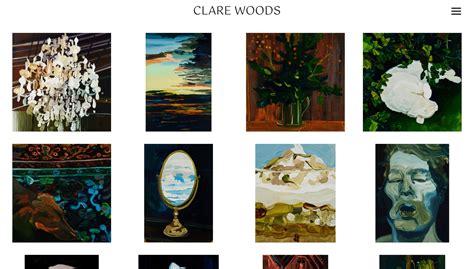
- Embrace Grid Systems: Whether for a physical book or a digital website, use consistent margins, padding, and spacing. This creates structure and visual harmony, allowing the negative space to feel purposeful.
- High-Quality Visuals: Ensure your images are impeccable. Poorly lit or low-resolution images will negate the elegance created by space. The clarity of the artwork itself is part of the “negative space” philosophy.

The Lasting Impression
The power of intentional negative space lies in its ability to elevate. It transforms a simple collection of images into a curated gallery experience, allowing your art to shine without competition. It’s not about what you put in, but what you strategically leave out, that speaks volumes about your artistic maturity and professionalism.

By mastering this visual element, you not only define elegance within your portfolio but also broadcast a compelling message to discerning clients: that you are an artist of taste, confidence, and unparalleled attention to detail.