


Which Pro Artist Portfolio layout best conveys refined artistry and client-winning elegance?

Crafting an Unforgettable First Impression: The Power of Portfolio Layout
For professional artists, a portfolio is more than just a collection of work; it’s a meticulously curated showcase, a silent advocate for their talent, and often the first point of contact with potential clients. The layout of this digital gallery is paramount, dictating not only how the art is perceived but also the artist’s professionalism and attention to detail. An elegant, well-structured portfolio doesn’t just display art; it tells a story, evokes emotion, and subtly communicates the artist’s refined artistry, ultimately influencing client decisions.
The Pillars of Refined Artistry in Layout Design
Refined artistry in a portfolio layout begins with an understanding of visual hierarchy and user experience. It’s about letting the artwork breathe and speak for itself, rather than cluttering it with unnecessary elements. Key principles include:
- Whitespace: Strategic use of negative space around artwork to prevent visual overwhelm and draw focus to individual pieces.
- Consistent Branding: A cohesive visual identity (fonts, colors, logo) that reinforces the artist’s unique style across the entire portfolio.
- High-Resolution Imagery: Flawless, professional photographs or scans of artwork that showcase every detail and texture.
- Intuitive Navigation: Simple, clear pathways for clients to explore different categories, projects, or mediums without getting lost.
Popular Layout Styles for Professional Artists
Several layout styles dominate the digital landscape for artist portfolios, each offering distinct advantages:
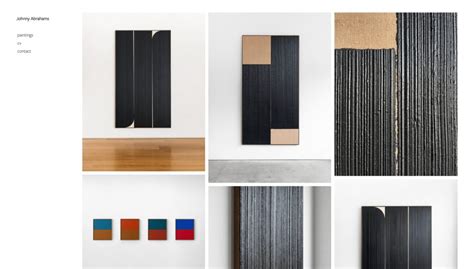
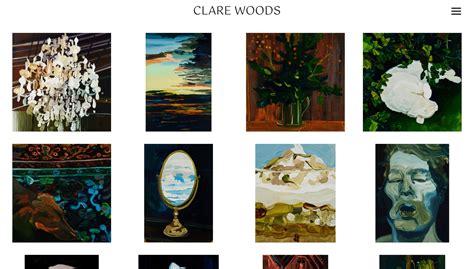
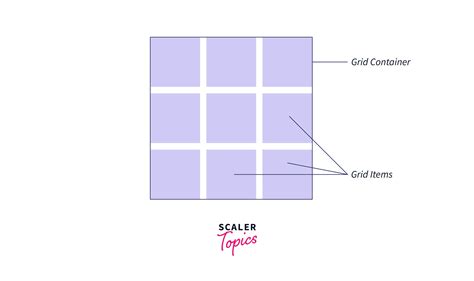
1. Grid-Based Layout: The perennial favorite, a grid layout offers a clean, organized, and easily scannable overview of a large body of work. It’s excellent for artists with diverse portfolios, allowing clients to quickly grasp the breadth of their talent. Opt for even spacing and consistent thumbnail sizes for maximum elegance.
2. Full-Screen Hero Images: For artists whose work demands immediate impact, a full-screen hero image on the homepage or at the top of a project page can be incredibly powerful. This immersive approach instantly communicates confidence and highlights a signature piece, drawing the viewer in.
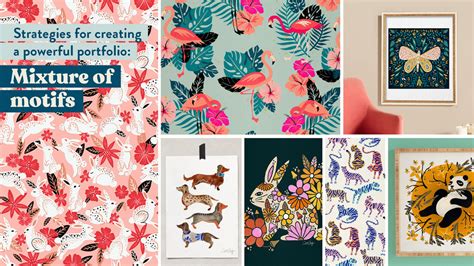
3. Masonry Layout: A more dynamic variation of the grid, the masonry layout accommodates images of varying aspect ratios while maintaining a clean flow. This can be particularly effective for artists with mixed media or illustration work where piece sizes vary greatly, offering a visually engaging, Pinterest-like experience.
Cultivating Client-Winning Elegance
Beyond aesthetic appeal, a truly elegant portfolio is designed with the client in mind. It’s about making their journey through your work as seamless and enjoyable as possible. This involves:
- Project Deep Dives: While a grid offers an overview, each piece or project should ideally link to a dedicated page. These pages provide context: process photos, client testimonials, artistic statements, and details about the medium and dimensions. This storytelling element adds significant value and professionalism.
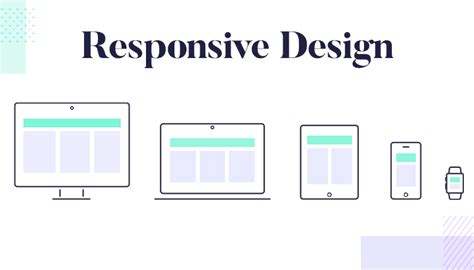
- Mobile Responsiveness: With the majority of internet browsing happening on mobile devices, your portfolio must be perfectly optimized for all screen sizes. A responsive design ensures a consistent, high-quality viewing experience for every potential client, regardless of their device.
- Clear Call to Action (CTA): Make it easy for interested clients to take the next step. Whether it’s “Contact Me for Commissions,” “View My CV,” or “Shop Prints,” a prominent and accessible CTA is crucial.
- Professional Contact Information: Ensure your contact details are easy to find and presented professionally. Include an email address, social media links (if relevant to your professional brand), and perhaps a contact form.
The Blend of Artistry and Strategy
The “best” layout often isn’t one single style but a thoughtful combination tailored to the artist’s specific niche and goals. For instance, a clean, spacious grid on the homepage provides an elegant overview, while clicking on individual pieces leads to captivating full-screen project pages. This hybrid approach offers both breadth and depth, showcasing refined artistry at every turn.
Consider how your portfolio guides the viewer through your creative journey. Do you want them to be awestruck by a single, powerful image first, or to browse a comprehensive collection? Your layout choice is a strategic decision that reflects not just your aesthetic, but also your understanding of client psychology.

Conclusion: Your Portfolio as a Masterpiece
Ultimately, a client-winning portfolio layout is a masterpiece in itself—a harmonious blend of visual sophistication, intuitive functionality, and strategic communication. By prioritizing clear presentation, consistent branding, mobile responsiveness, and a user-friendly experience, professional artists can create a digital space that not only conveys their refined artistry but also confidently converts viewers into valuable clients. Invest time in crafting a layout that mirrors the quality and elegance of the art it displays, and watch your professional opportunities flourish.