


Which workshop strategies guarantee enhanced artistry and defined elegance?
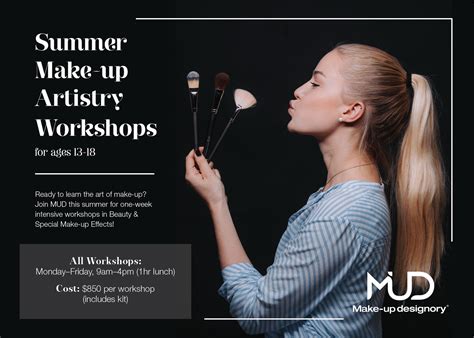
In the dynamic world of beauty, merely knowing how to apply makeup is no longer enough. To truly stand out, makeup artists must continually refine their craft, pushing the boundaries of creativity while maintaining a timeless sense of elegance. Workshops are critical environments for this growth, but not all are created equal. Certain strategies, when implemented effectively, are proven to guarantee a significant enhancement in artistry and the cultivation of defined elegance.
The Cornerstone: Personalized Feedback and Mentorship
One of the most potent strategies for accelerating skill development is personalized feedback from experienced mentors. Generic advice falls short; true growth stems from constructive critique tailored to an individual’s specific strengths and areas for improvement. Workshops that offer small group sizes and dedicated one-on-one sessions with instructors allow for this crucial interaction. Mentors can guide participants through nuanced corrections in technique, brushstrokes, and product application, fostering a deeper understanding that theoretical knowledge alone cannot provide.
Moreover, observing and dissecting live demonstrations by experts, followed by immediate application and review, solidifies learning. This iterative process of watch, do, and refine, under the watchful eye of a professional, is invaluable for correcting habits and instilling precision.
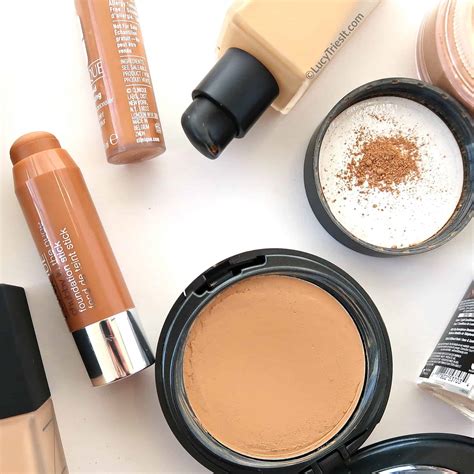
Mastering Techniques: Hands-On Practice and Advanced Methodologies
Theory is the blueprint, but hands-on practice is the construction. Workshops must prioritize extensive practical sessions, allowing participants ample time to experiment with new techniques on various face shapes and skin types. This exposure builds adaptability and confidence. Key advanced methodologies that should be a core focus include:
- Advanced Contouring & Highlighting: Beyond basic applications, delve into strategic placement for different facial structures and occasions.
- Intricate Eye Makeup: Mastering cut creases, graphic liners, halo eyes, and blending techniques that create depth and dimension.
- Flawless Skin Application: Techniques for achieving a ‘second skin’ finish, camouflaging imperfections, and ensuring longevity without looking heavy.
- Color Theory in Practice: Understanding undertones, complementary colors, and how to create harmonious or dramatic palettes.
Product Proficiency and Tool Mastery
An artist is only as good as their tools and understanding of their medium. Workshops that dedicate segments to product knowledge – exploring different formulations (creams, liquids, powders), their properties, and best uses – are essential. Participants should learn to distinguish high-quality products, understand ingredient lists, and troubleshoot common product challenges. Similarly, mastery over brushes and tools, from understanding their purpose to proper cleaning and maintenance, is fundamental to achieving refined results. Learning how to manipulate brushes for specific effects – whether for seamless blending, sharp lines, or delicate detailing – elevates the final look.
Understanding Face Geometry and Client Communication
True artistry and elegance emerge from the ability to enhance natural beauty, not mask it. Workshops should emphasize in-depth studies of face shapes, bone structure, and individual features. This knowledge empowers artists to tailor makeup applications that harmonize with a client’s unique physiognomy, creating a bespoke and truly elegant outcome. Furthermore, effective client communication – including thorough consultations, understanding desired outcomes, and managing expectations – is critical for translating artistic vision into client satisfaction. Practicing these soft skills within a workshop setting prepares artists for real-world scenarios.
Building a Professional Portfolio and Industry Insights
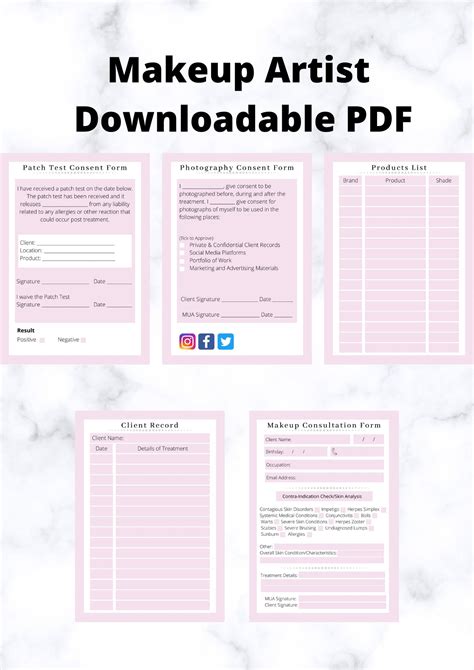
Beyond technical skills, workshops that offer guidance on building a professional portfolio and navigating the industry provide immense value. This can include advice on photography for makeup, styling for shoots, and even basic marketing strategies. Learning about current trends, industry standards, and networking opportunities within a workshop environment prepares artists not just to create, but to thrive. Workshops that invite guest speakers from various facets of the beauty industry (e.g., editorial artists, bridal specialists, brand representatives) offer invaluable perspectives and potential connections.
Conclusion: Cultivating a Signature Style
Ultimately, the most effective workshop strategies combine rigorous technical training with an emphasis on personal growth and professional development. By focusing on personalized feedback, extensive hands-on practice, deep product and tool knowledge, an understanding of individual beauty, and practical career advice, workshops can guarantee not just an enhancement of artistic skills but the cultivation of a refined, elegant, and distinctive signature style that sets an artist apart.