
Which workshop techniques ensure flawless, personalized complexion artistry for lasting elegance?
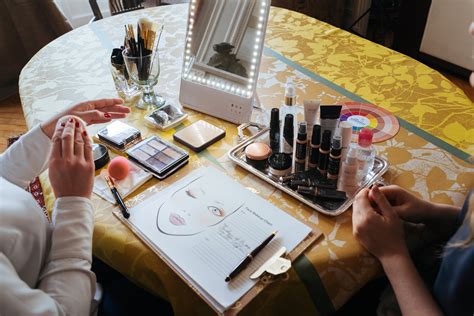
Achieving a truly flawless and personalized complexion is the cornerstone of elegant makeup artistry. It’s not merely about applying products; it’s about understanding individual skin, mastering advanced techniques, and creating a finish that looks natural yet refined. Professional makeup workshops are invaluable for dissecting these complexities, offering hands-on training that goes beyond basic tutorials. But which specific workshop techniques are crucial for ensuring that lasting elegance?
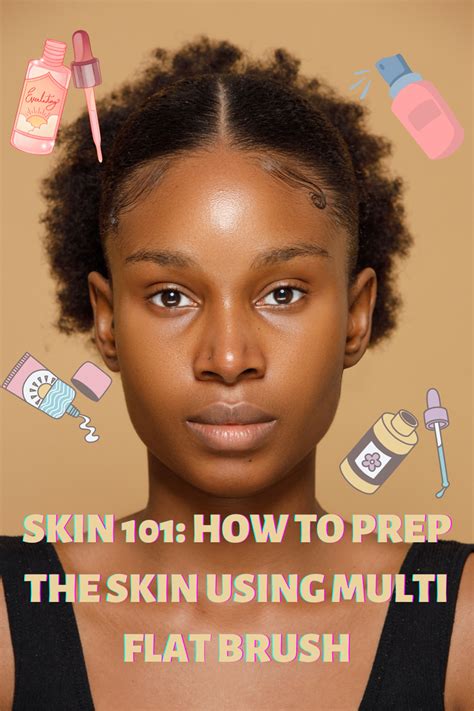
The Foundation of Flawless: Meticulous Skin Preparation
No amount of makeup can truly perfect a complexion if the canvas isn’t adequately prepared. Workshops emphasize personalized skin analysis, teaching artists to identify skin types (oily, dry, combination, sensitive) and concerns (acne, hyperpigmentation, dehydration). Techniques include:
- Custom Cleansing & Toning: Selecting products that balance the skin’s pH without stripping natural oils.
- Targeted Moisturizing: Applying hydrating serums and moisturizers to create a smooth, plump base suitable for makeup adhesion.
- Strategic Priming: Using primers to address specific issues like pore minimization, oil control, redness correction, or adding luminosity, creating an optimized surface for foundation.
Mastering Color Theory and Custom Blending
The secret to an undetectable complexion lies in a perfectly matched foundation. Workshops delve deep into color theory, teaching how to:
- Identify Undertones: Distinguishing between cool, warm, and neutral undertones in various skin tones.
- Advanced Shade Matching: Techniques for testing foundation on multiple areas of the face and neck to find the perfect match under different lighting conditions.
- Custom Foundation Blending: How to mix different foundation shades, adjust coverage, and even alter consistency (e.g., adding a drop of facial oil for dewiness) to create a bespoke product for each client. This skill is paramount for personalized artistry.
- Color Correction: Using corrective concealers (green for redness, peach for dark circles, purple for sallowness) strategically before foundation application to neutralize discolorations without adding heaviness.
Precision Application for a Seamless, Natural Finish
Even with the right products, application technique makes all the difference. Workshops hone skills in:
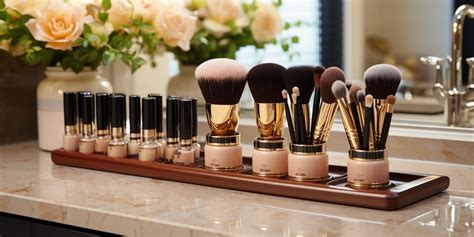
- Tool Selection & Usage: Understanding when to use brushes (dense for full coverage, fluffy for sheer), sponges (damp for blending), or even fingertips for different finishes and product types.
- Layering Techniques: Building coverage gradually in thin layers rather than applying a thick single coat, ensuring the makeup looks like skin, not a mask. Techniques like stippling, buffing, and pressing are crucial.
- Targeted Concealing: Applying concealer only where needed, using a tapping motion to blend seamlessly without disturbing the foundation. Learning to choose the right concealer consistency for blemishes vs. under-eye areas.
Sculpting and Defining with Light and Shadow
Contouring and highlighting transform a flat complexion into a three-dimensional work of art, tailored to individual face shapes. Workshops teach:
- Face Shape Analysis: Identifying various face shapes (oval, round, square, heart, long) and understanding how to apply contour and highlight to enhance or soften features.
- Strategic Placement: Applying darker contour shades to recede areas (under cheekbones, jawline, temples, nose) and lighter highlight shades to bring areas forward (high points of cheekbones, brow bone, Cupid’s bow, center of forehead/nose).
- Product Choice: Working with both cream and powder formulas for different intensities and finishes, and mastering the art of blending for seamless transitions.
Setting for Endurance: The Secret to Lasting Elegance
A flawless complexion is only truly elegant if it lasts. Workshops equip artists with techniques to ensure longevity:
- Targeted Setting: Using different setting powders (translucent, tinted, brightening) strategically on areas prone to shine (T-zone) or creasing (under eyes).
- Baking Technique: For oily skin or areas requiring intense brightening, applying a generous amount of translucent powder and allowing it to “bake” before dusting off.
- Setting Sprays: Understanding the difference between hydrating, matte, and long-wearing setting sprays and how to apply them to meld makeup together and extend wear time.
- Touch-Up Strategies: Practical advice for clients on how to maintain their complexion throughout the day without disturbing the existing artistry.

By mastering these workshop techniques—from comprehensive skin analysis and custom color blending to precision application, strategic sculpting, and advanced setting—makeup artists can consistently deliver flawless, personalized complexion artistry that embodies lasting elegance. These skills move beyond mere product application, fostering a deep understanding of facial anatomy, color science, and client needs, ultimately elevating makeup to a true art form.