



How to curate a portfolio that defines elegance & enhances artistry for collectors?
For professional artists, a portfolio is far more than a mere collection of works; it’s a meticulously curated narrative, a visual testament to skill, vision, and artistic identity. For the discerning collector, this portfolio serves as the primary window into an artist’s world, influencing perceptions of elegance, value, and long-term potential. Crafting a portfolio that not only showcases your artistry but also resonates with the sophisticated expectations of collectors requires strategic thought, impeccable taste, and a deep understanding of presentation.
Understanding the Collector’s Perspective
Collectors are not just buying art; they are investing in a story, a legacy, and a piece of cultural fabric. They seek authenticity, originality, and a tangible connection to the artist’s unique voice. Your portfolio, therefore, must speak their language, demonstrating not just technical prowess but also conceptual depth, consistent quality, and an aesthetic that aligns with their personal vision of elegance. Consider what makes a piece truly valuable to them beyond its monetary worth – often it’s the narrative, the artist’s journey, and the work’s inherent beauty.

Strategic Selection: Quality Over Quantity
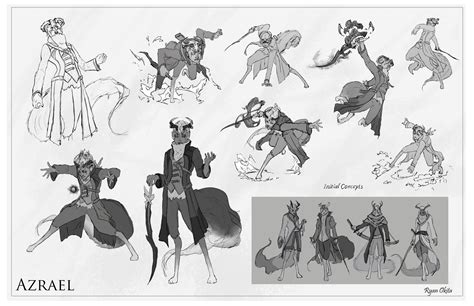
The cardinal rule of portfolio curation is quality over quantity. Every piece included must be a strong representative of your best work, exemplifying your unique style and technical mastery. Avoid including transitional pieces or works that don’t fully align with your current artistic direction. A tightly edited portfolio, perhaps showcasing 10-15 exceptional works, is far more impactful than a sprawling collection of mediocre ones. Think of it as presenting your “greatest hits,” each piece a definitive statement.
Focus on a cohesive body of work. While variety can be interesting, too much stylistic divergence might confuse a collector about your artistic identity. If you work in multiple distinct styles, consider creating separate, focused portfolios for each, or clearly delineate series within a single portfolio.
The Narrative Arc: Telling Your Artistic Story
Beyond the individual pieces, your portfolio should tell a compelling story. How do the works relate to one another? What themes do you explore? What is your artistic philosophy? Each piece should contribute to a larger understanding of your journey and vision. Include a concise artist statement that articulates your intentions, process, and the conceptual underpinnings of your work. This contextual information enriches the viewing experience and provides collectors with deeper insights, enhancing their appreciation of your artistry and potential collection.
Impeccable Presentation: Digital and Physical Elegance
Digital Portfolio Best Practices
Your online presence is often the first point of contact. Ensure your website or digital portfolio is clean, intuitive, and visually stunning. High-resolution images, professional photography, and consistent lighting are non-negotiable. Provide detailed yet concise information for each piece: title, year, medium, dimensions, and availability. A seamless user experience reflects professionalism and respect for the viewer’s time. Ensure mobile responsiveness for a wider audience reach.

Physical Portfolio Presence
For in-person meetings or gallery submissions, a physical portfolio must exude sophistication. Use high-quality prints, elegantly matted or framed where appropriate. A durable, professional-looking case or binder speaks volumes about your attention to detail. Ensure all physical elements – from print quality to the cleanliness of the case – are immaculate. This tangible representation reinforces the perceived value and elegance of your art.
Beyond the Art: Documentation and Professionalism
A truly elegant portfolio extends beyond just images of your work. Include a well-written artist biography that highlights your achievements, exhibitions, and educational background. Consider a concise CV. For individual pieces, include provenance information if applicable, and documentation of any awards or significant exhibitions. This supplementary information builds trust, establishes credibility, and underscores the investment potential of your work. A professional headshot can also add a personal touch, allowing collectors to connect a face to the art.
Maintaining and Evolving Your Portfolio
Your portfolio is a living document, not a static entity. Regularly review and update it to reflect your latest and strongest works. As your artistic style evolves or new series emerge, ensure your portfolio keeps pace, always presenting your most refined and representative output. Seek feedback from trusted peers, mentors, or art professionals to continually refine its impact and effectiveness. A dynamic, up-to-date portfolio signals an engaged and thriving artistic practice.

Conclusion
Curating a portfolio that defines elegance and enhances artistry for collectors is an art in itself. It requires a blend of discerning selection, compelling storytelling, impeccable presentation, and unwavering professionalism. By meticulously crafting every element, from the choice of artworks to the smallest detail of documentation, you transform your portfolio into a powerful tool that not only showcases your talent but also communicates your unique value to the world’s most discerning art enthusiasts.