
How do I personalize workshop skills for unique features, enhancing my artistry?
The Essence of Personalized Makeup Artistry
In the vibrant world of makeup, generic techniques, while foundational, only take an artist so far. True artistry shines when skills are not just applied, but thoughtfully adapted and personalized to celebrate each individual’s unique features. This transformation from a ‘technician’ to an ‘artist’ is at the heart of enhancing your craft, moving beyond rote application to intuitive, bespoke beauty solutions.
Understanding the Canvas: Deep Dive into Unique Features
The first step in personalization is a thorough understanding of the canvas – the client’s face. Every face tells a different story, presenting a unique landscape of bone structure, skin tone, texture, and eye shape. Workshop skills often provide a ‘one-size-fits-all’ starting point, but to personalize, you must dissect these general rules.
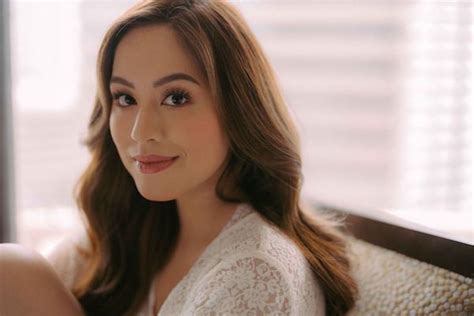
Consider face shapes: a contour technique perfect for an oval face might look harsh on a heart-shaped face. Similarly, an eyeliner style that opens up almond eyes might overwhelm hooded lids. Pay close attention to undertones, skin conditions, and even the subtle asymmetries that make each person distinct. This observational skill, honed through practice and conscious effort, forms the bedrock of personalized artistry.
Adapting Workshop Techniques: From General to Specific
Once you’ve identified the unique features, the real magic of adaptation begins. This involves deconstructing the ‘why’ behind each workshop technique rather than just the ‘how’.
- Foundation & Concealer: Instead of applying uniformly, target areas that truly need coverage or color correction. Mix shades to match exact skin tones, considering neck and décolletage, not just the face.
- Contouring & Highlighting: Rather than following a generic ‘3’ or ‘E’ shape, sculpt according to the individual’s bone structure to create natural shadows and light, enhancing their specific facial architecture.
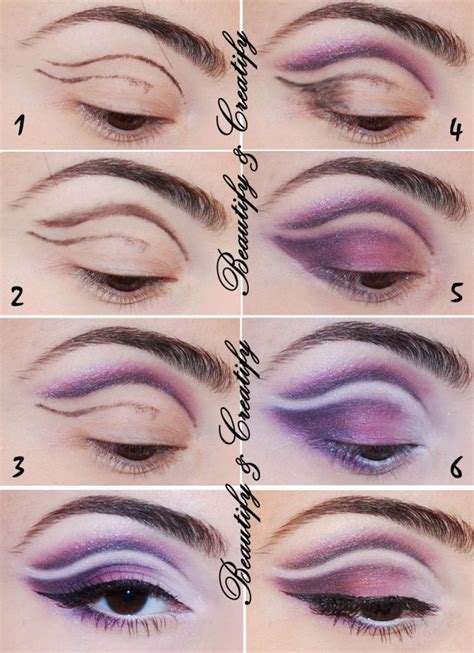
- Eye Makeup: Adapt shadow placement, liner thickness, and lash application to complement eye shape (e.g., creating an illusion of lift for downturned eyes, deepening the crease for monolids, or enhancing symmetry).
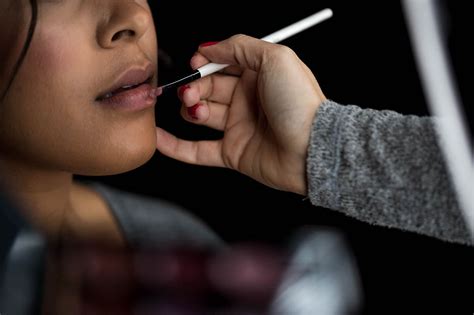
- Lip Application: Adjust lip liner and lipstick application to correct minor asymmetries, enhance natural fullness, or create a desired shape that harmonizes with the overall face.

The Art of Experimentation and Observation
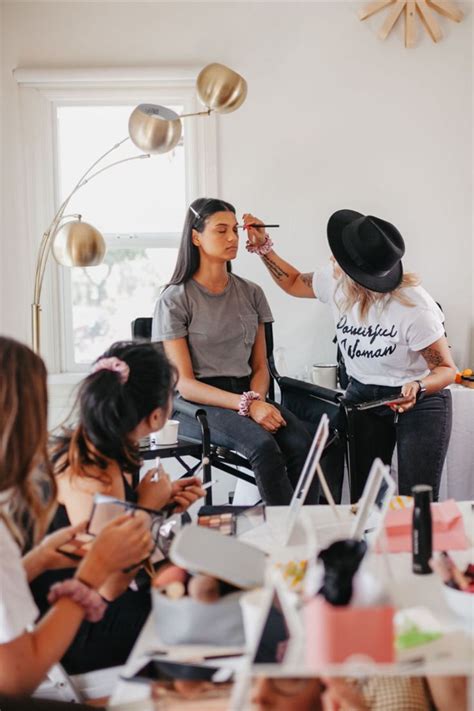
Personalizing workshop skills demands a willingness to experiment and a sharp eye for observation. Don’t be afraid to deviate from the exact steps taught in a class. Use workshops as a springboard for understanding principles, then apply those principles creatively. Practice on different models, friends, and even yourself, noting how techniques change results based on unique features. Take photos from various angles to critically assess your work.
Furthermore, active listening to your client’s preferences, lifestyle, and comfort level is paramount. A look might be technically perfect, but if it doesn’t align with the client’s self-image or practical needs, it misses the mark. This collaborative approach ensures the personalized look resonates deeply with the individual.
Building Your Signature: Advanced Personalization and Artistry
As you become proficient in adapting basic skills, you can delve into advanced personalization, which forms your unique artistic signature. This includes:
- Color Theory Application: Moving beyond basic color wheels to understanding how different hues interact with individual skin tones, eye colors, and even hair colors to create harmony or intentional contrast.
- Texture Play: Combining matte, satin, shimmer, and glitter textures in ways that enhance specific features or create a desired mood, rather than just following trends.
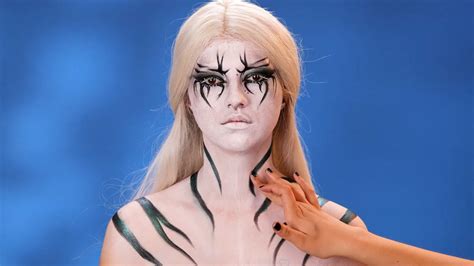
- Storytelling Through Makeup: Using makeup to convey a client’s personality, occasion, or desired feeling, making each application a unique narrative.
Continuously seek out new workshops, not to just copy, but to gather new tools and perspectives that you can then filter through your personalized lens. Building a diverse portfolio showcasing your adaptive skills will not only attract clients who value individuality but also solidify your reputation as a truly unique makeup artist.

Conclusion: The Continuous Journey of Bespoke Beauty
Personalizing workshop skills is an ongoing journey, not a destination. It requires curiosity, critical thinking, a keen eye, and a deep respect for individual beauty. By consistently challenging generic applications and embracing the uniqueness of each face you touch, you not only enhance your own artistry but also empower your clients to see and appreciate their distinct beauty. This commitment to bespoke beauty is what truly distinguishes a skilled makeup artist and elevates their craft to an art form.