


For “Elegance Defined,” what’s the optimal number of pieces for a high-impact portfolio?

Crafting an “Elegance Defined” Portfolio: Quality Over Quantity
For artists aspiring to present a brand as refined as “Elegance Defined,” the portfolio isn’t just a collection of work; it’s a meticulously curated statement. The common dilemma often revolves around quantity: how many pieces are enough to showcase versatility without diluting impact? The answer isn’t a magic number, but a strategic range guided by the principles of quality, cohesion, and the desired impression.
A high-impact portfolio, particularly one aiming for elegance, thrives on intentionality. Every piece must earn its place, contributing to a narrative of skill, style, and artistic vision. Overloading a portfolio can lead to viewer fatigue and diminish the perceived value of your strongest work. Conversely, too few pieces might fail to demonstrate depth or range.
The Strategic Sweet Spot: 8-15 Masterpieces
While there’s no universal law, for an “Elegance Defined” portfolio, a range of **8 to 15 exceptionally strong pieces** often strikes the perfect balance. This allows you to:
- **Showcase Versatility:** Demonstrate your command over different subjects, techniques, or moods within your defined style.
- **Maintain Viewer Engagement:** Keep the viewer captivated without overwhelming them, ensuring each piece receives proper attention.
- **Project Confidence:** A concise, powerful selection communicates self-awareness and a clear artistic identity.
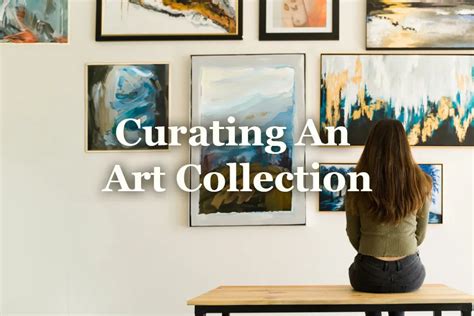
Factors Influencing Your Portfolio Count
The optimal number can also subtly shift based on several considerations:
Your Niche and Medium
Some mediums or niches naturally lend themselves to more extensive series, while others might be better represented by a handful of impactful, standalone pieces. Consider the typical viewing expectations within your specific art world.
The Portfolio’s Purpose
Is this portfolio for a gallery submission, a specific commission, an art fair, or a job application? Each scenario might subtly alter the emphasis and, consequently, the number of pieces. A gallery might prefer a cohesive body of work, whereas a commission might seek specific examples of related skill sets.
Your Experience Level
Emerging artists might include a few more pieces to demonstrate their developing range, while established artists might rely on fewer, universally recognized masterworks.

Curating for “Elegance Defined”: Beyond Just Numbers
The number is merely a guideline; the true power lies in the curation itself. For a portfolio that exudes elegance:
1. Cohesion and Narrative
Ensure your selected pieces tell a story or demonstrate a consistent aesthetic. Even if varied in subject, they should speak to a singular artistic voice. The flow from one piece to the next should feel natural and intentional.
2. Impeccable Presentation
High-resolution images, professional photography, and a clean, user-friendly digital or physical layout are non-negotiable. “Elegance Defined” demands technical excellence in presentation as much as in the art itself.

3. Showcase Your Best, Not Just Your Most Recent
Resist the urge to include every new piece. Only your absolute strongest, most representative works should make the cut, even if they aren’t the newest creations. The goal is to always present your highest standard.
4. Seek Outside Feedback
A fresh pair of eyes from a mentor, fellow artist, or trusted critic can provide invaluable insight into which pieces are truly making the most impact and which might be detracting from the overall elegance.
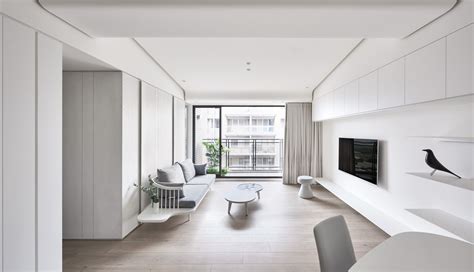
The Power of “Less is More”
Ultimately, a high-impact portfolio for “Elegance Defined” embodies the philosophy that less is often more. A smaller collection of truly exceptional pieces will always leave a stronger, more lasting impression than a large one diluted by mediocrity. Each artwork should be a testament to your unique vision and refined skill.
By focusing on strategic curation within the 8-15 piece range, you create a powerful, elegant narrative that not only showcases your artistry but also respects the viewer’s time and attention. This deliberate approach ensures your portfolio doesn’t just display your work, but effectively communicates your artistic identity and prowess.