

Mastering tutorial adaptation: How to achieve artistry enhanced for YOUR unique features?

In the vast universe of online beauty, makeup tutorials reign supreme, offering endless inspiration and step-by-step guides to achieving stunning looks. Yet, how often have you meticulously followed a tutorial only to find the result looks completely different on you? The truth is, most tutorials are designed for a general audience, often showcasing techniques on a specific face shape, eye type, or skin tone. The real artistry in makeup lies not in rigid replication, but in skillful adaptation – transforming a generic guide into a personalized masterpiece that celebrates and enhances your unique features.
Beyond Replication: Embracing Your Individual Canvas
The first step towards mastering tutorial adaptation is to intimately understand your own face. Think of it as your unique canvas, complete with its own contours, colors, and textures. Blindly following a technique without considering how it interacts with your personal features is like trying to fit a square peg in a round hole.

Understanding Your Face Shape and Structure
Is your face round, oval, square, heart, or long? Each shape benefits from different contouring, highlighting, and blush placements. A contour line that perfectly chisels a square jaw might look harsh on a round face, while a highlight placement ideal for an oval face might not flatter a heart-shaped one. Pay attention to your cheekbones, jawline, and forehead.
Decoding Your Skin Tone and Undertone
The colors used in a tutorial might look vibrant on a model with a warm undertone, but appear muddy or ash-like on someone with a cool or neutral undertone. Knowing whether you have warm, cool, or neutral undertones is crucial for selecting foundation, concealer, blush, and eyeshadow shades that truly complement your complexion. Furthermore, consider your skin type – oily, dry, combination – as it dictates product choices and application techniques for longevity and finish.
Analyzing Your Eye Shape and Placement
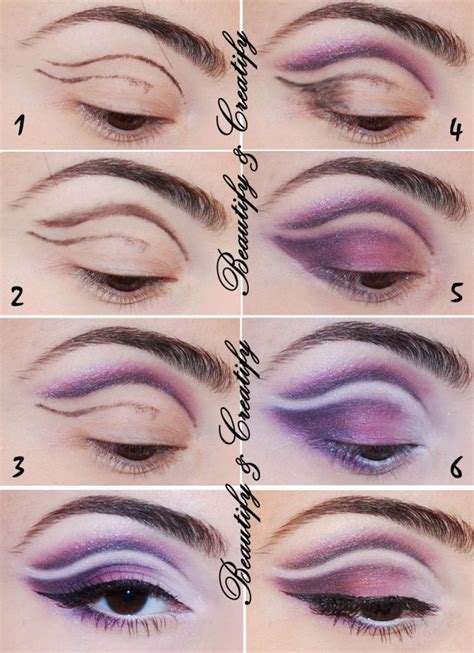
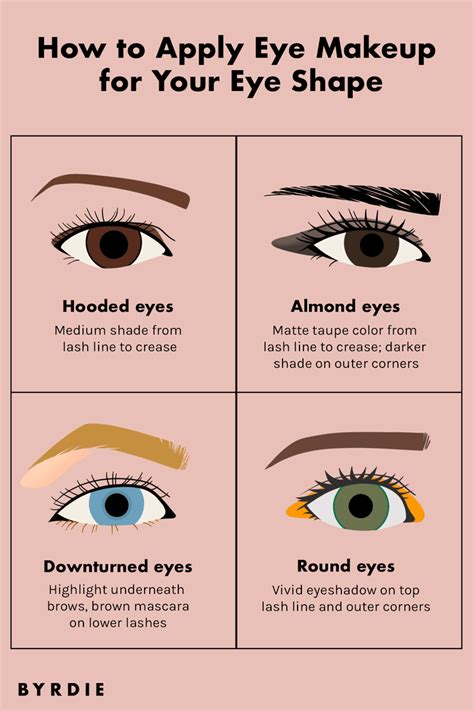
Eyes are the windows to the soul, and they come in an incredible variety of shapes: hooded, monolid, almond, round, downturned, upturned, deep-set, prominent. The placement of eyeliner, eyeshadow, and even mascara can drastically change based on these distinctions. A cut-crease technique designed for an almond eye won’t have the same effect on a hooded lid; conversely, specific techniques exist to open up hooded eyes that wouldn’t be necessary for prominent ones.
Deconstructing the Tutorial: Finding the ‘Why’
Instead of merely copying the ‘what’ of a tutorial, focus on understanding the ‘why.’ Why is the artist applying shadow in that particular spot? What effect are they trying to achieve with that specific blend? Is it to create depth, lift, widen, or define? Once you grasp the underlying principle, you can then translate it to your own features.
Identifying the Core Technique
Every makeup step serves a purpose. A winged liner might be to elongate the eye, a pop of shimmer on the inner corner might be to brighten, and a specific blush placement might be to lift the cheeks. By identifying the core technique and its intended outcome, you gain the knowledge to modify it. For instance, if a tutorial uses a dark shadow to create depth, but your eyes are already deep-set, you might opt for a lighter shade or a different placement to achieve a flattering effect.

Practical Strategies for Personalization
Now that you understand your features and the tutorial’s intent, it’s time to put adaptation into practice. This is where your artistry truly begins to shine.
Customizing Contour and Highlight
Instead of mapping contour lines exactly as shown, apply them where your face naturally has shadows or where you want to create the illusion of recession. Similarly, highlight where light naturally hits your face or where you want to bring features forward. For example, if you have a wide forehead, you might bring your contour slightly inward along the hairline, a step not included in a tutorial for a narrow forehead.
Adjusting Eye Makeup Placement and Intensity
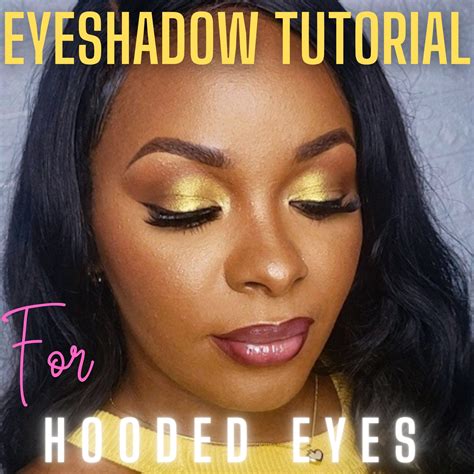
This is perhaps the most critical area for adaptation. If you have hooded eyes, extending shadow above your natural crease will be essential. If you have downturned eyes, lifting your eyeliner wing slightly can create an uplifted effect. Experiment with different placements of transition shades, crease colors, and shimmers to see what best complements your eye shape and enhances your gaze. Don’t be afraid to adjust the intensity of colors – a bold look on one person might be too overwhelming on another.
Selecting Complementary Color Palettes
Swap out tutorial colors for shades that flatter your personal skin tone and undertone. If a tutorial features a cool-toned pink lipstick that washes you out, opt for a warm peachy-pink instead. Similarly, eyeshadows should be chosen to enhance your eye color and complement your skin. A deep plum might make blue eyes pop, while a warm bronze might make green eyes sparkle.
The Journey of Experimentation and Practice
Mastering tutorial adaptation is not an overnight process. It requires patience, experimentation, and consistent practice. Don’t be discouraged if your first few attempts aren’t perfect. View each application as a learning opportunity.
Document Your Progress
Take photos of your makeup from different angles. This visual feedback can be invaluable in helping you identify what works and what doesn’t. Keep notes on modifications you made, products you used, and the results. This personal beauty journal will become your most powerful tool.
Embrace Trial and Error
The beauty of makeup is that it’s temporary. If a look doesn’t work, you can wash it off and try again. Use weekends or downtime to play and experiment without the pressure of needing a perfect outcome. This playful approach fosters creativity and builds confidence.

Conclusion: Your Face, Your Artistry
Transforming generic makeup tutorials into bespoke artistry is a journey of self-discovery and empowerment. By understanding your unique features, deconstructing the ‘why’ behind techniques, and fearlessly experimenting, you move beyond merely copying to creating. This mastery allows you to craft looks that don’t just mimic trends, but truly celebrate and enhance the beautiful individuality that is uniquely you.