


How to curate a pro artist portfolio for ‘Artistry Enhanced, Elegance Defined’ visual impact?

For professional artists, a portfolio isn’t just a collection of works; it’s a meticulously crafted narrative, a visual statement that speaks volumes about your skill, vision, and unique artistic voice. To achieve ‘Artistry Enhanced, Elegance Defined’ visual impact, your portfolio must transcend mere presentation, becoming an immersive experience that captivates and persuades. This guide will walk you through the essential steps to curate a portfolio that truly stands out.
Understanding Your Audience and Purpose
Before you even select your first piece, consider who your portfolio is for and what you want to achieve. Are you seeking gallery representation, commissions, teaching positions, or residencies? Different goals may require subtle shifts in emphasis. A portfolio for a contemporary art gallery might highlight experimental works, while one for a portrait commission would focus on illustrative skill and client-based projects. Tailoring your selection to your target audience demonstrates professionalism and intentionality, proving you understand their specific needs and aesthetic preferences.
Quality Over Quantity – The Selection Process
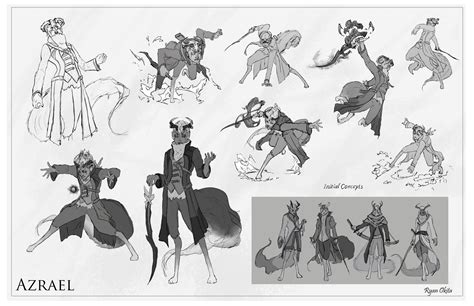
The cardinal rule of a professional portfolio is quality over quantity. Resist the urge to include every piece you’ve ever created. Instead, select only your strongest, most representative works that align with your artistic vision and the portfolio’s purpose. Aim for a concise collection, typically 10-20 pieces for a digital portfolio, ensuring each piece is a testament to your highest capabilities. Consider recent works that reflect your current style and progression, showcasing not just what you’ve done, but where you’re going as an artist. Each selected piece should contribute to the overall narrative and impact.
Ensure there is a visual consistency in your selection. While diversity in subject matter or technique can be interesting, an underlying thread of your unique style or thematic concern should tie the works together. This demonstrates a clear artistic identity rather than a scattershot approach. Remember, every piece in your portfolio is an ambassador for your entire body of work.

Crafting a Cohesive Narrative
Beyond individual pieces, your portfolio should tell a story. Arrange your works thoughtfully to create a flow that engages the viewer. This might involve grouping works by series, theme, or chronological order to show development. Consider the pacing – perhaps starting with a strong, impactful piece, maintaining interest with varied yet cohesive works, and concluding with another memorable statement. Each transition should feel natural, guiding the viewer through your artistic journey. A well-structured portfolio demonstrates not just artistic skill, but also curatorial insight.
High-Quality Presentation Matters
The presentation of your artwork is as crucial as the art itself. For digital portfolios, invest in professional, high-resolution photography of your physical works. Ensure consistent lighting, neutral backgrounds, and accurate color representation. For digital art, export files in appropriate formats and resolutions. Organize your digital files clearly with consistent naming conventions. If you include detail shots, ensure they add value without overwhelming. Poor presentation can undermine even the most brilliant artwork, so strive for absolute clarity and visual polish.

For physical portfolios, choose a high-quality, professional binder or case. Ensure prints are immaculate, free of fingerprints, and consistently matted or mounted. Presentation materials should be clean, undamaged, and reflect the elegance you wish to convey. Consider how a physical portfolio is handled; durability and ease of viewing are key. A tangible portfolio often leaves a lasting impression, so make it a positive one.
The Digital Edge and Physical Presence
In today’s art world, a strong online presence is indispensable. Develop a professional website or an online portfolio platform (like ArtStation, Behance, or your own self-hosted site) that is clean, user-friendly, and mobile-responsive. Include an artist statement, a professional bio, contact information, and perhaps a CV or resume. Ensure your website reflects the ‘Artistry Enhanced, Elegance Defined’ aesthetic you’re aiming for. Regularly update your online portfolio to showcase your latest achievements and works.

While digital is dominant, a physical portfolio still holds immense value, especially for in-person meetings or specific opportunities. Be prepared with both. Your digital portfolio should be easily navigable, and your physical one should be ready for a seamless presentation. Think of them as complementary tools, each serving a slightly different but equally important function in showcasing your art.
Seeking Feedback and Refinement
Once you’ve assembled your portfolio, step back. Better yet, seek objective feedback from trusted mentors, fellow artists, or even potential clients (if appropriate). An outside perspective can reveal blind spots, suggest stronger pairings, or highlight areas for improvement in clarity or impact. Be open to constructive criticism and use it to refine your selection and presentation. A portfolio is not static; it’s a living document that evolves with your artistic practice. Regular review and refinement ensure it always represents your best self.

Curating a professional art portfolio for ‘Artistry Enhanced, Elegance Defined’ visual impact is an art in itself. It requires careful selection, thoughtful arrangement, impeccable presentation, and a clear understanding of your audience and goals. By investing time and effort into this crucial tool, you empower your art to speak with conviction, opening doors to new opportunities and solidifying your place in the professional art world.