How to adapt tutorial artistry for unique features, achieving personalized elegance?

Beyond the Generic: Embracing Your Unique Beauty
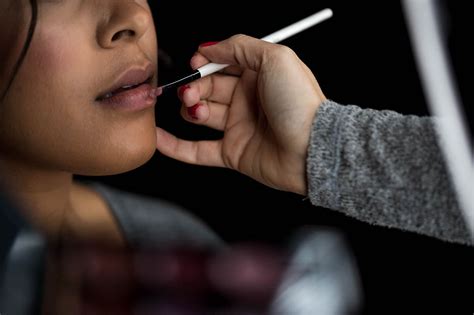
In the vast world of makeup tutorials, it’s easy to fall into the trap of trying to replicate looks designed for someone else. While tutorials offer fantastic foundational skills, true elegance lies in adapting those techniques to celebrate and enhance your unique features. Generic advice can often lead to frustration when it doesn’t quite translate to your eye shape, lip fullness, or facial symmetry. The secret to personalized elegance isn’t about mastering every trend, but mastering the art of tailoring. It’s about understanding your own canvas and using makeup as a tool for self-expression, not imitation.
Understanding Your Canvas: Facial Anatomy and Features
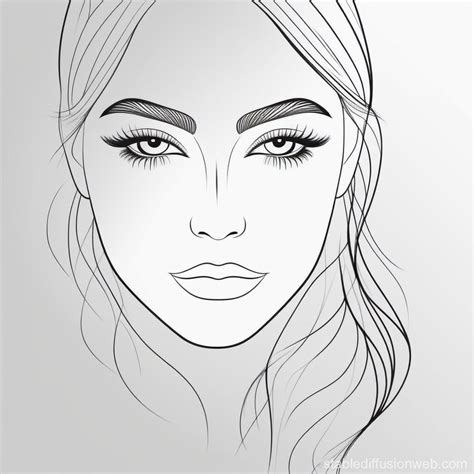
Before you can adapt, you must first understand. Take time to closely examine your face in natural light. What is your eye shape – almond, round, hooded, monolid? Do you have prominent cheekbones, or are they softer? What is the natural arch and density of your brows? How full are your lips, and what is their natural shape? Recognizing these unique characteristics is the first crucial step in making any tutorial work for you.
Consider:
- Eye Shape: A winged liner technique for an almond eye may need significant adjustment for a hooded eye.
- Face Shape: Contouring advice for an oval face might not suit a heart-shaped or square face.
- Lip Shape: Overlining techniques vary greatly depending on your natural lip line and desired outcome.
- Skin Undertone: While not a ‘feature,’ understanding your warm, cool, or neutral undertone is vital for choosing foundation, concealer, and even eyeshadows that truly flatter.
Strategies for Adapting Tutorial Techniques
Once you’ve identified your unique features, you can strategically adjust tutorial steps. Here’s how to make it work:
1. The ‘Why’ Behind the ‘How’
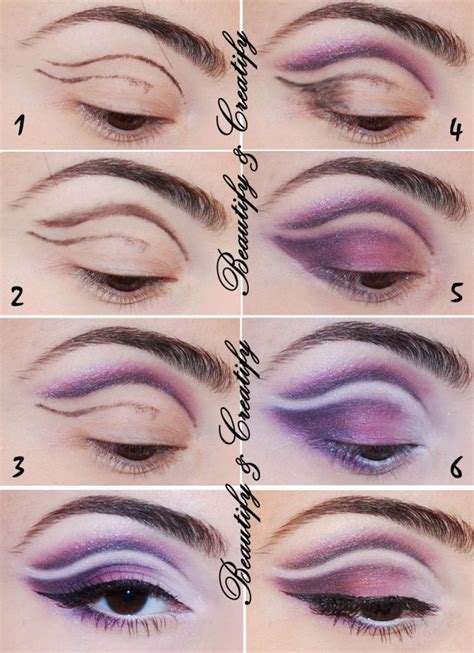
Don’t just follow the steps; understand the purpose behind each one. Why is the guru placing blush there? What effect is the eyeshadow placement trying to achieve? Knowing the ‘why’ allows you to modify the ‘how’ to suit your face. For instance, if a tutorial uses a dark shade to create depth in the crease, and you have hooded eyes, you might need to place that shade slightly above your natural crease to make it visible when your eyes are open.
2. Placement is Paramount
This is where most adaptations happen. A tutorial might instruct you to apply highlighter to the tops of your cheekbones. If your cheekbones are naturally very high, you might want to bring the highlight slightly forward to catch the light more effectively. Similarly, eyeshadow placement is almost always feature-dependent. For downturned eyes, lifting the outer corner of your liner or shadow can create a more open, lifted effect.
3. Product and Tool Modifications
Sometimes, it’s not the technique but the product or tool. A tutorial might use a stiff, angled brush for brow filling, but if you have sparse brows, a finer, more flexible brush or a brow pen might yield a more natural, hair-like effect. Similarly, if a full-coverage foundation is recommended but you prefer a more natural look, opt for a tinted moisturizer and spot conceal instead.
4. Embrace Asymmetry
No face is perfectly symmetrical. Rather than trying to force perfect symmetry, learn to work with your natural balance. If one brow is slightly higher, adjust your brow product application to subtly balance them without making them look unnatural or ‘drawn on.’ Personalized elegance isn’t about perfection; it’s about harmonious enhancement.

Achieving Personalized Elegance: Beyond the Brush
Personalized elegance extends beyond simply applying makeup correctly. It’s about how the makeup makes you feel and how it integrates with your personal style and overall presentation.
Confidence as Your Best Accessory
When you wear makeup that truly enhances your features and makes you feel good, your confidence shines through. This is the ultimate form of elegance. Don’t be afraid to experiment and break traditional ‘rules’ if you find something that works beautifully for you. The goal is to feel empowered, not constrained, by makeup.
Curate Your Own Routine
After experimenting with various adaptations, you’ll naturally start to develop a routine that is uniquely yours. This bespoke routine will be efficient, effective, and consistently deliver the results you desire. It will reflect your preferences, your lifestyle, and most importantly, your unique beauty.
Conclusion: Your Face, Your Artistry
Adapting tutorial artistry for your unique features is a journey of self-discovery and creative expression. It requires observation, experimentation, and a willingness to step away from rigid instructions to find what truly flatters you. By understanding your facial landscape and strategically modifying techniques, you unlock the secret to personalized elegance – a look that isn’t just beautiful, but authentically yours. Embrace your individuality, and let your makeup artistry reflect the exquisite uniqueness that is you.