
How to adapt makeup tutorial techniques for bespoke elegance on my unique face?

In a world overflowing with makeup tutorials, it’s easy to feel lost when a ‘one-size-fits-all’ technique doesn’t quite flatter your unique facial features. From perfectly winged eyeliner to sculpted contours, these guides offer fantastic starting points. However, true elegance comes not from blindly mimicking, but from understanding how to adapt these techniques to create a bespoke look that celebrates your individuality. This article will guide you through the process of personalizing your makeup routine, transforming general advice into tailored artistry.
Beyond the Mirror: Understanding Your Unique Canvas
Before you can adapt any technique, you must first become intimately familiar with your own face. This involves more than just recognizing yourself in the mirror; it’s about analyzing your features with an artist’s eye. Pay close attention to your face shape (oval, round, square, heart, long), your eye shape (almond, hooded, monolid, round, downturned, upturned), your lip shape and size, and even the natural arch of your eyebrows. Furthermore, understanding your skin type (oily, dry, combination, normal) and undertone (warm, cool, neutral) is crucial for selecting the right products and finishes.
Take time to study your angles, proportions, and any asymmetries. These are not flaws but unique characteristics that, when understood, become your greatest assets in achieving a truly bespoke look. Observing how light and shadow naturally fall on your face can inform your contouring and highlighting choices far more effectively than any generic map.
Deconstructing Tutorials: The ‘Why’ Behind the ‘How’
The secret to adapting tutorials lies in dissecting them. Instead of simply following step-by-step instructions, ask yourself ‘why’ each step is performed. Why is the eyeshadow placed in the crease? To create depth. Why is contour applied under the cheekbones? To create the illusion of a shadow and define structure. Once you grasp the underlying principle or desired effect of a technique, you can then creatively apply it to your own face to achieve a similar, yet personalized, outcome.
Tailoring Techniques: Practical Adaptation Strategies
1. Adapting Eye Makeup for Your Eye Shape
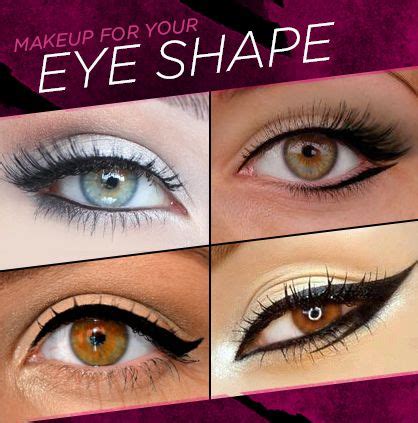
Eye makeup is one of the most common areas where generic advice falls short. For instance, a winged liner tutorial perfect for almond eyes might not translate well to hooded eyes. Instead of trying to force the shape, understand that the goal of a wing is often to lift and extend the eye. For hooded eyes, this might mean creating a ‘bat wing’ that looks jagged when open but creates a seamless line when the eye is relaxed. Similarly, shadow placement should enhance your specific eye shape – deeper colors in the outer V for definition, lighter shimmers on the lid to bring forward, all adjusted for your unique lid space and crease.
2. Customizing Contour and Highlight for Face Structure
Contouring and highlighting are not about drastically changing your face, but about enhancing its natural structure. A tutorial for a round face will suggest different placements than one for a square face. Identify the widest points of your face, where you want to create depth, and where you want to draw light. For example, if you have a prominent forehead, contouring along the hairline can recede it. If you desire more definition in your jawline, a subtle contour along the bone can work wonders. Highlighting should be placed on the highest points of your face where light naturally hits – cheekbones, brow bone, Cupid’s bow – adjusted for your specific proportions.
3. Perfecting Lip Techniques for Your Lip Shape
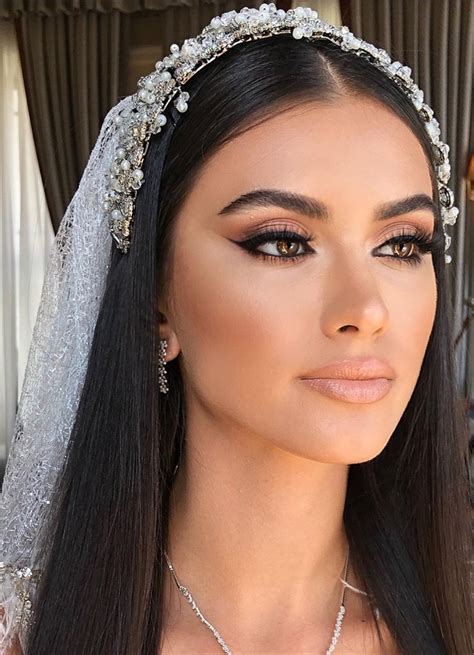
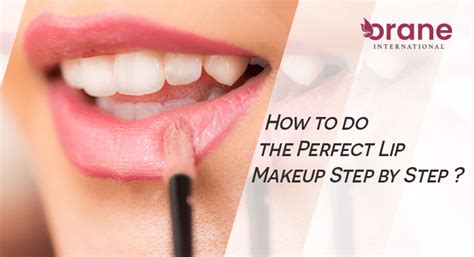
Lip tutorials often showcase full, symmetrical pouts. If your lips are thinner, uneven, or have a unique shape, adapting is key. Instead of overlining excessively, focus on subtly enhancing your natural lip line at its highest or widest points to create a softer, fuller effect. If you have a less defined Cupid’s bow, a touch of highlighter can create the illusion of one. Experiment with lip colors that complement your skin tone, remembering that darker shades can make lips appear smaller, while lighter, brighter, or glossy finishes can make them appear fuller.
4. Matching Foundation and Color Palette to Skin Tone and Undertone
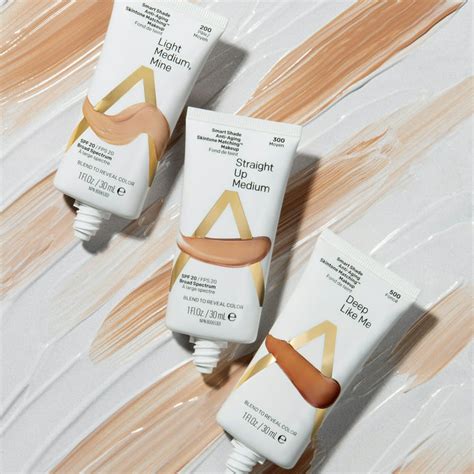
The most fundamental adaptation is selecting the correct foundation, concealer, and color palette. Generic tutorials often use models with specific undertones, but your makeup should always complement your unique complexion. Ensure your foundation matches your jawline perfectly in natural light. Choose blush, eyeshadows, and lip colors that harmonize with your skin’s undertone (warm tones for warm undertones, cool for cool, and a mix for neutral). This ensures your makeup looks seamless and enhances your natural radiance, rather than clashing with it.
The Art of Experimentation and Practice
Adapting makeup techniques is an ongoing journey of experimentation. Don’t be afraid to try new placements, colors, or tools. What works for one person might not work for you, and that’s perfectly fine. Start with small adjustments, take photos to observe the differences, and gradually build your confidence. Practice makes perfect, and with each attempt, you’ll gain a deeper understanding of what truly flatters your unique features.
Conclusion: Your Face, Your Rules
Ultimately, makeup is a tool for self-expression and enhancement, not concealment or conformity. By understanding your unique facial architecture and the ‘why’ behind common makeup techniques, you empower yourself to create looks that are not just beautiful, but authentically you. Embrace your individuality, adapt the rules, and let your bespoke elegance shine through. Your face is your canvas, and you are the master artist.