



Best prompts for eliciting detailed, aesthetic reviews showcasing true artistry?

In the vast sea of online product feedback, a truly exceptional review stands out not just for its star rating, but for its depth, aesthetic appreciation, and ability to convey the true artistry embedded in a product. Generic “I like it” or “It works great” comments do little to elevate a brand or help potential customers understand the unique value proposition. The challenge lies in crafting prompts that guide reviewers beyond mere functionality, encouraging them to articulate sensory experiences, design nuances, and the emotional resonance a product evokes. This article explores powerful prompting strategies to unlock a treasure trove of detailed, aesthetically rich reviews that truly showcase the artistry behind your offerings.
Cultivating Sensory-Rich Descriptions
To move beyond superficial feedback, encourage reviewers to engage all their senses. Products are not just tools; they are experiences, tactile objects, visual delights, and sometimes even auditory or olfactory stimuli. Prompts should gently nudge them towards describing these often-overlooked dimensions, transforming a simple review into a vivid narrative.

Instead of “How do you like the product?”, ask: “Describe the first thing you noticed when you unboxed it. Was it the weight, the scent, the texture of the packaging, or the visual presentation?” Or, “How does the product feel in your hand? Is it smooth, textured, weighty, or delicate? How does it interact with its environment visually?” These questions draw out a more intimate, sensory connection, painting a richer picture for future buyers.
Unpacking the Craftsmanship and Design Philosophy
True artistry lies in the meticulous details, the choice of materials, the precision of construction, and the underlying design philosophy. Many reviewers may not spontaneously dissect these elements, but with the right prompts, they can become articulate advocates for your product’s craftsmanship.
Consider prompts like: “What specific design element or detail caught your eye and why? How do you perceive the quality of the materials used? Do they feel luxurious, durable, or innovative?” You can also delve into the ‘why’: “What does the product’s design communicate to you? Does it reflect elegance, ruggedness, minimalism, or innovation?” These questions invite reviewers to think critically about the thought and effort invested in the product’s creation, thus highlighting its artistic merit.

Eliciting Emotional Resonance and Personal Stories
The most compelling reviews often come from an emotional place, sharing how a product has impacted or transformed a user’s experience. This personal narrative adds immense depth and relatability, showcasing how the product isn’t just an object, but a catalyst for feelings or inspiration.
Prompts here could be: “How does this product make you feel when you use it? Does it inspire creativity, evoke a sense of calm, or bring a touch of luxury to your daily routine?” Or, “Tell us a short story about a moment when this product truly enhanced an experience or solved a challenge in a unique way. What emotions were involved?” Such questions encourage vulnerability and storytelling, turning a review into a powerful testimonial of true value and artistry.

Encouraging Visual Storytelling Through Context
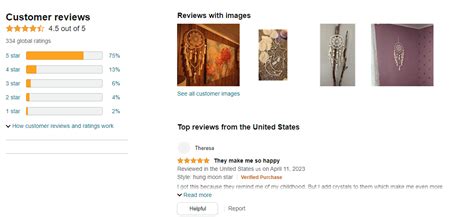
For products where aesthetics are paramount, visual evidence is crucial. While asking for photos is common, guiding what to photograph and how to frame it can dramatically improve the quality of visual reviews, allowing the product’s artistry to shine through its intended context.
Instead of just “Upload a photo,” try: “Share a photo of the product styled in your favorite setting, showcasing how it complements your space or lifestyle.” Or, “Capture a close-up detail that exemplifies the product’s craftsmanship or unique texture.” You can also ask, “In what scenario does the product look its best, and can you share a picture of it in that moment?” These prompts help reviewers create aspirational content that reinforces the product’s aesthetic appeal and artistry.

The Reflective Lens: Comparing with Expectations and Alternatives
While not directly about artistry, asking reviewers to reflect on their expectations and how the product stands in its category can indirectly highlight its unique artistic edge and superior design. This isn’t about naming competitors but understanding what makes this product uniquely valuable.
Prompts such as: “How did this product exceed your initial expectations regarding its aesthetics or user experience?” or “In what ways does this product feel distinct or more thoughtfully designed compared to others you’ve encountered in its category?” These questions encourage a more analytical yet appreciative review, underscoring the product’s singular place in the market and its artistic differentiation.

Conclusion: Elevating Review Quality for Brand Resonance
Crafting prompts that elicit detailed, aesthetic reviews showcasing true artistry requires a deliberate shift from functional questioning to experiential and appreciative inquiry. By encouraging sensory descriptions, an examination of craftsmanship, emotional narratives, contextual visuals, and thoughtful reflection, brands can transform mundane feedback into rich, engaging content. This not only provides invaluable insights for potential buyers but also elevates the brand’s perception, reinforcing its commitment to quality, design, and the artistic integrity of its creations. Investing in these sophisticated prompting strategies pays dividends in authentic brand storytelling and deeper customer connection.