




How can reviews best capture the artistry and elegance of bespoke product design?

The Unique Challenge of Reviewing Bespoke Creations
Bespoke product design stands in stark contrast to mass-produced items. It’s an alchemy of client vision, designer skill, and meticulous craftsmanship, resulting in a piece that is truly one-of-a-kind. But how do you review something so deeply personal, so inherently unique, with the same tools used for evaluating off-the-shelf goods? The traditional review framework, often focused on standardized metrics, fails to adequately convey the soul, artistry, and elegance that define bespoke creations.
Capturing the essence of a bespoke item requires a nuanced approach, one that goes beyond star ratings and objective specifications. It demands an appreciation for the story, the process, and the intangible qualities that elevate a custom piece from mere product to a work of art.
Beyond Functionality: The Pillars of Bespoke Excellence
When approaching a review of bespoke design, several key elements become paramount. These are the pillars that uphold the item’s artistry and elegance, and they must be thoroughly explored to paint a complete picture for the reader.
1. The Craftsmanship and Materials: A Deep Dive into Detail
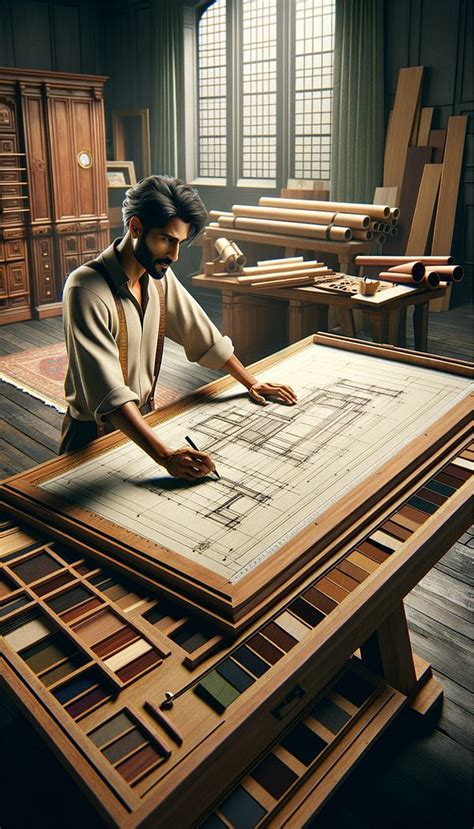
The foundation of any bespoke piece is its craftsmanship. Reviews must meticulously detail the quality of materials used – their provenance, texture, durability, and how they contribute to the overall aesthetic. Beyond just naming materials, the review should describe how they are worked: the precision of joinery, the seamlessness of finishes, the intricate detailing, and the skill evident in every cut, stitch, or weld. This is where the artisan’s hand truly shines, transforming raw materials into refined beauty.
2. The Design Journey and Client Collaboration
A bespoke product isn’t just designed; it’s co-created. A compelling review will narrate the journey from initial concept to final realization. How did the designer interpret the client’s vision? What was the collaborative process like? Were there iterations, challenges, and breakthroughs? Highlighting the communication, problem-solving, and personalized attention involved in this journey gives insight into the unique value proposition of bespoke design.

3. The Emotional and Sensory Experience
Elegance and artistry are deeply felt. A review should aim to evoke the sensory experience of interacting with the product. How does it feel to the touch? What visual impact does it have? Does it possess a particular scent? How does it integrate into its intended environment, and what emotional response does it elicit? This qualitative assessment helps readers understand the item’s intrinsic value beyond its physical attributes.
Techniques for Elevating Bespoke Reviews
To truly capture the essence of bespoke products, reviewers should employ specific techniques:
Evocative Language and Storytelling
Move beyond clinical descriptions. Use rich, descriptive language that conveys emotion and appreciation for beauty. Weave a narrative around the product – its purpose, its creation, and its impact. This storytelling approach makes the review more engaging and helps communicate the ‘soul’ of the bespoke item.

High-Quality Visuals and Multimedia
Since much of bespoke design’s appeal is visual, exceptional photography and potentially video are non-negotiable. Images should highlight intricate details, material textures, and the overall form and elegance from various angles. If possible, show the item in its intended context or even snippets of its creation process.
Contextualization and Uniqueness
Help readers understand why this particular bespoke piece stands out. What makes it unique compared to other custom designs, or even in its broader category? Discuss its fit within the client’s lifestyle or the space it occupies, emphasizing how it fulfills a specific need or desire that off-the-shelf items could not.

The Future of Bespoke Product Evaluation
Reviewing bespoke products is less about declaring an objective ‘best’ and more about understanding and appreciating a singular creation. It’s about recognizing the designer’s vision, the client’s dream, and the artisan’s skill converged into a tangible piece. By shifting focus from generic metrics to a holistic evaluation of craftsmanship, journey, and emotional impact, reviews can truly become a testament to the artistry and elegance inherent in bespoke design.
Ultimately, a successful bespoke review doesn’t just describe a product; it celebrates a process, a collaboration, and a unique story, allowing readers to vicariously experience the profound value of something made just for one.