


How do I curate my art for an elegant portfolio with maximum impact?
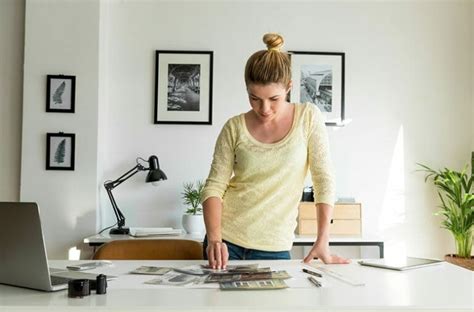
Creating an art portfolio isn’t just about showcasing your work; it’s about telling a compelling visual story that resonates with your desired audience. An elegantly curated portfolio can make a profound impact, distinguishing you in a competitive art world. It’s a strategic tool designed to highlight your strengths, convey your artistic vision, and secure opportunities, whether for gallery representation, commissions, or educational pursuits. The key lies in thoughtful selection, meticulous presentation, and a clear understanding of your artistic identity.
Define Your Narrative and Audience
Before you begin selecting pieces, take time to clarify your artistic identity and the message you want to convey. What story does your art tell? What themes or concepts are central to your practice? Equally important is identifying your target audience. Are you aiming for fine art galleries, commercial clients, or academic institutions? Understanding who you want to impress will significantly influence which pieces you choose to include and how you present them.

The Art of Selection: Less is More
Resist the urge to include every piece you’ve ever created. A powerful portfolio prioritizes quality over quantity. Select only your absolute strongest, most resolved artworks that align with your defined narrative and target audience. Each piece should serve a purpose, demonstrating a specific skill, style, or conceptual depth. Aim for a cohesive body of work rather than a disconnected collection.
Critically evaluate each potential artwork. Does it represent your current best work? Does it fit the overall aesthetic and message you’re trying to communicate? Be ruthless in your editing. Removing pieces that are weaker or don’t fit can significantly strengthen the overall impression of your portfolio. Your goal is to leave the viewer wanting more, not overwhelmed.
Cohesion and Flow: Building a Visual Story
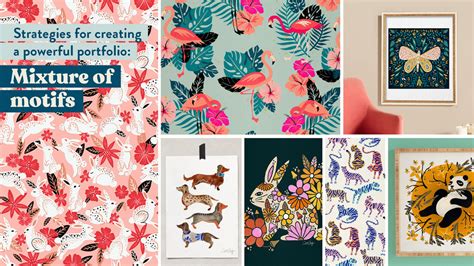
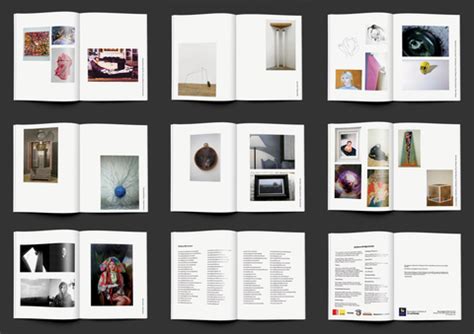
Once you’ve selected your key pieces, consider the order in which they appear. A well-sequenced portfolio creates a natural visual flow, guiding the viewer through your artistic journey. Group similar works together, whether by theme, color palette, technique, or period. This creates a sense of cohesion and demonstrates your ability to develop ideas comprehensively.
Think about the emotional and visual rhythm. Do you want to start with a strong, attention-grabbing piece and end with another memorable one? Ensure there’s a logical progression that builds interest and reveals the breadth and depth of your practice without jarring transitions. The arrangement should feel intentional and thoughtful, much like an exhibition layout.
Professional Presentation Matters
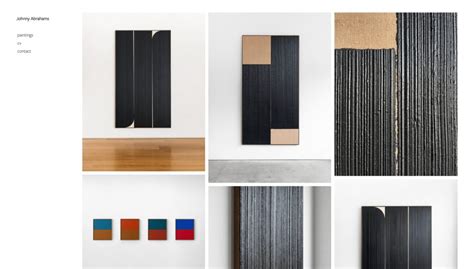
The visual quality of your portfolio presentation is paramount. Invest in high-resolution, professional photography of your artwork. Ensure consistent, neutral lighting, sharp focus, and clean backgrounds that don’t distract from the art itself. For 3D works, provide multiple angles and context shots if appropriate.
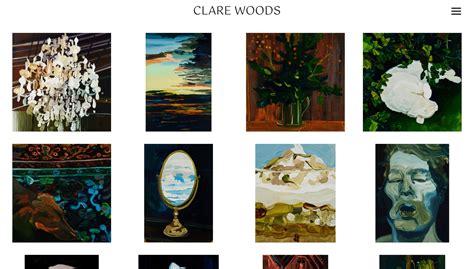
Each artwork should be clearly labeled with essential information: title, year of creation, medium, dimensions, and any brief conceptual notes if necessary. Maintain a consistent formatting style throughout your portfolio. Whether it’s a digital or physical portfolio, ensure it is easy to navigate, clean, and free of typos or errors. A polished presentation reflects professionalism and respect for your own work and the viewer’s time.
Seek Feedback and Refine
Once you’ve assembled your curated portfolio, step away from it for a while, then return with fresh eyes. Better yet, seek objective feedback from trusted peers, mentors, or art professionals whose opinions you value. They may offer insights into pieces that stand out, areas for improvement, or elements that might be confusing or detracting.
Be open to constructive criticism. Use this feedback to refine your selection, adjust the sequencing, or improve your presentation. A portfolio is not a static document; it should evolve as your art practice grows and your goals shift. Regularly review and update it to ensure it always represents your strongest and most relevant work.
Curating an elegant and impactful art portfolio is a deliberate, iterative process. By focusing on a clear narrative, rigorous selection, cohesive arrangement, professional presentation, and continuous refinement, you can craft a powerful tool that not only showcases your artistic talent but also opens doors to new opportunities and elevates your professional standing in the art world.