


How to adapt advanced tutorial artistry for my unique facial features & skin type?

Makeup tutorials abound online, showcasing stunning transformations and intricate techniques. While inspiring, many struggle to replicate these looks effectively because they aren’t designed for their unique canvas. The secret to truly mastering advanced artistry lies not in perfect replication, but in intelligent adaptation. This guide will help you decode tutorials and tailor them to flatter your distinct facial features and specific skin type.
Understanding Your Unique Canvas
Before you can adapt, you must first understand the fundamental characteristics of your own face and skin. This involves a self-assessment that goes beyond surface-level observation.
Identify Your Facial Features
Every face tells a different story. Recognizing your key features is crucial for knowing where to emphasize or soften.
- Eye Shape: Are your eyes almond, round, hooded, monolid, downturned, or upturned? This dictates eyeliner, eyeshadow placement, and lash choices.
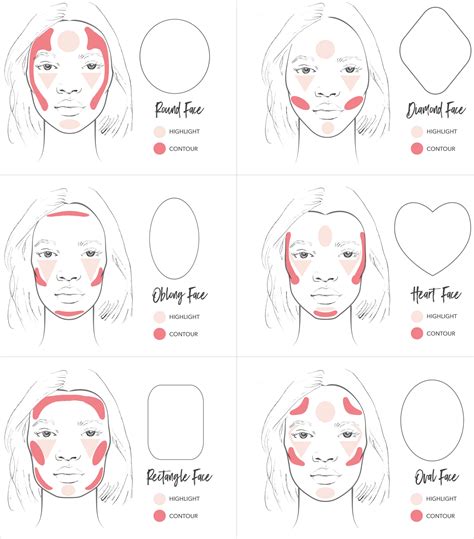
- Face Shape: Is your face oval, round, square, heart, long, or diamond? This informs contouring, highlighting, and blush application.
- Lip Shape: Do you have full, thin, asymmetrical, or prominent lips? This influences lip liner and lipstick application.
- Nose Shape: Understanding your nose structure helps with subtle contouring techniques if desired.
- Brow Shape: Your natural brow arch and fullness are key to framing the face.
Determine Your Skin Type and Condition
Your skin is the foundation of your makeup, and its type and condition dictate product choices and application methods.
- Skin Type: Oily, dry, combination, normal, or sensitive? Each requires different formulations for primers, foundations, and powders.
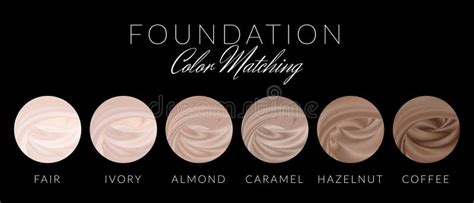
- Skin Tone & Undertone: Fair, light, medium, tan, or deep? Warm, cool, or neutral undertones? This is vital for selecting the correct foundation, concealer, and color palettes.
- Skin Concerns: Acne, redness, hyperpigmentation, fine lines, or dehydration? These concerns require specific corrective techniques and non-aggravating products.
Strategies for Advanced Adaptation
Once you’re intimately familiar with your canvas, you can begin to intelligently adapt any tutorial.
Foundation & Base Perfection
The most common mistake is using the wrong base for your skin type.
- For Oily Skin: Opt for mattifying, oil-free primers and foundations. Powder sparingly to set, focusing on the T-zone.
- For Dry Skin: Choose hydrating, luminous primers and foundations. Avoid heavy powders and embrace creamy textures.
- For Mature Skin: Look for hydrating, dewy finishes that don’t settle into fine lines. Cream products are often more forgiving.
- Matching Undertones: Always swatch foundation on your jawline in natural light to ensure a seamless match with your neck.
Tailoring Eye Makeup to Your Shape
Eyeliner and eyeshadow placement are highly dependent on eye shape.
- Hooded Eyes: Focus on applying darker shades above the crease to create depth, and use a thin liner close to the lash line, extending outwards.
- Monolid Eyes: Experiment with gradient washes of color and define the lash line with liner and mascara.
- Downturned Eyes: Lift the outer corner with winged liner angled upwards and apply lighter shades on the inner corner.
- Almond Eyes: Most versatile, but you can enhance them by extending liner slightly past the outer corner.
Contour & Highlight for Your Face Shape
Generic contour maps rarely suit everyone. The goal is to enhance your natural bone structure.
- Round Face: Contour along the temples, under the cheekbones, and along the jawline to create more definition.
- Square Face: Soften angles by contouring around the jawline and temples, and highlight the center of the face.
- Heart-Shaped Face: Contour the sides of the forehead and under the cheekbones, highlighting the chin and forehead center.
Lip Artistry for Individual Lip Shapes
Whether you want to enhance fullness or correct asymmetry, lip techniques can be adapted.
- Thin Lips: Use a lip liner slightly outside your natural lip line before filling with lipstick or gloss. Lighter, brighter shades can also create the illusion of fullness.
- Full Lips: You can define with a liner matching your lipstick, or opt for bolder, deeper shades that enhance their natural volume.
- Asymmetrical Lips: Use a lip liner to subtly correct the imbalance before applying color.

Product Selection and Experimentation
Beyond technique, the right products are paramount. Pay attention to ingredients, finishes (matte, satin, dewy), and longevity claims relevant to your skin type. Don’t be afraid to mix brands or shades to achieve your desired effect.
The journey to adapting advanced makeup artistry is one of continuous learning and experimentation. What works for a beauty guru might need a tweak for you, and that’s perfectly fine. Practice different techniques in front of a mirror, take photos, and most importantly, have fun discovering what makes you look and feel your best. Your unique features and skin are assets, not obstacles.