


How to adapt online makeup artistry tutorials for your unique facial features?
The Challenge of Generic Tutorials
Online makeup tutorials are a fantastic resource for learning new techniques, discovering trends, and honing your skills. From dramatic smokey eyes to subtle contouring, there’s a video for almost every look imaginable. However, a common frustration arises when you try to replicate a look on yourself, only to find it doesn’t quite translate. The reason? Most tutorials are demonstrated on a specific face, often with classically ‘balanced’ features, which might not align with your unique bone structure, eye shape, or skin tone.
Blindly following a tutorial without considering your individual features can lead to unflattering results, wasted product, and disappointment. The key to unlocking the true potential of online learning lies not in perfect replication, but in intelligent adaptation. This guide will equip you with the knowledge and strategies to personalize any makeup look to perfectly complement your unique beauty.
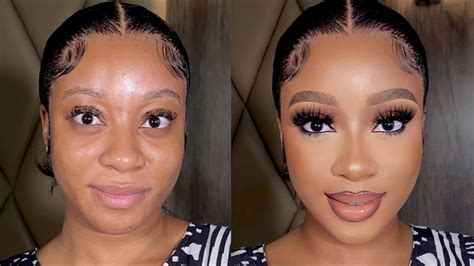
Understand Your Unique Facial Anatomy
Before you can adapt, you must first understand what makes your face unique. Take time to observe your features in a well-lit mirror or through photos. Here are key areas to focus on:
- Eye Shape: Are your eyes almond, round, hooded, monolid, downturned, or upturned? Do you have a prominent brow bone or deep-set eyes? The placement of eyeliner, eyeshadow, and even mascara can drastically change based on your eye shape.
- Face Shape: Determine if your face is oval, round, square, heart-shaped, long, or diamond. This dictates where contour, blush, and highlight should be applied to enhance or soften angles.
- Lip Shape & Size: Do you have a full pout, thin lips, a prominent cupid’s bow, or an uneven shape? Lipstick application, liner, and gloss can be adjusted to balance or amplify your natural lip line.
- Nose Shape: While not always a focus, understanding your nose shape can help you subtly contour if desired, or simply appreciate its natural form without feeling the need to alter it.
- Skin Undertone: Are your veins blue (cool), green (warm), or a mix (neutral)? This is crucial for selecting foundation, concealer, blush, and even eyeshadow colors that truly flatter your complexion rather than making it appear sallow or overly rosy.

Key Adaptation Strategies for Any Look
Once you have a grasp of your features, you can begin to apply specific adaptation techniques:
- Adjust Color Palettes: A tutorial might use cool-toned grays, but if you have warm undertones, swapping them for bronzes and coppers will be more flattering. Similarly, a vibrant blush might be perfect for fair skin, but deeper complexions may need richer, more saturated hues to show up effectively. Don’t be afraid to switch out shades entirely while keeping the overall ‘feel’ of the look.
- Modify Placement & Angles: This is perhaps the most critical adjustment. A winged eyeliner that looks stunning on almond eyes might need to be lifted or shortened for hooded eyes. Contour placement should follow your unique bone structure, not a generic ‘three’ shape. Blush might be applied higher or lower to complement your face shape. Pay close attention to the starting and ending points of product application in tutorials and tailor them to your own face.
- Vary Intensity: A heavy, dramatic look might be too much for everyday wear or for smaller features. You can dial down the intensity by using lighter hands, less product, or opting for sheerer formulas. Conversely, if you have very defined features, you might need to apply more product to achieve the desired effect shown in a tutorial. Blending is your best friend here – it can soften harsh lines and diffuse color.
Practical Steps to Personalize Your Look
Putting these strategies into practice requires a bit of experimentation and patience:
- Self-Assessment: Regularly examine your face in natural light. Take photos or videos from different angles to see how light and shadow interact with your features. This helps you understand what you want to enhance or balance.
- Experiment & Record: Don’t expect perfection on the first try. Dedicate practice sessions to trying out different placements, colors, and intensities. Take notes or snap photos of what works and what doesn’t. This builds your personal makeup library of successful techniques.
- Focus on Foundational Skills: Before attempting complex looks, ensure you have a solid grasp of basic techniques like blending eyeshadow, applying foundation smoothly, and defining your brows. These fundamental skills are the building blocks for any advanced adaptation.
- Seek Expert Guidance (Optional): If you’re struggling, consider a personalized consultation with a professional makeup artist. They can offer tailored advice and demonstrate techniques specifically for your features.
Embrace Your Individuality
The goal of makeup artistry is not to transform you into someone else, but to enhance and celebrate your unique beauty. Online tutorials are an excellent starting point, but they are just that – a starting point. By understanding your facial features and learning how to adapt techniques, you can move beyond mere imitation and truly master the art of makeup in a way that is authentically you. Experiment, have fun, and let your individuality shine through every brushstroke!