

How to adapt tutorial artistry for personalized elegance?

In the vast world of online beauty, makeup tutorials offer an endless stream of inspiration, tips, and techniques. From dramatic smoky eyes to flawless contouring, these guides can teach us a lot. However, strictly adhering to every step of a tutorial often leads to a look that feels more like a copy than a custom fit. The true artistry lies not just in mimicking, but in adapting these lessons to enhance your unique features and reflect your personal elegance. The goal is to evolve from simply following instructions to becoming your own bespoke beauty architect.
The Foundation of Personalization: Knowing Your Canvas
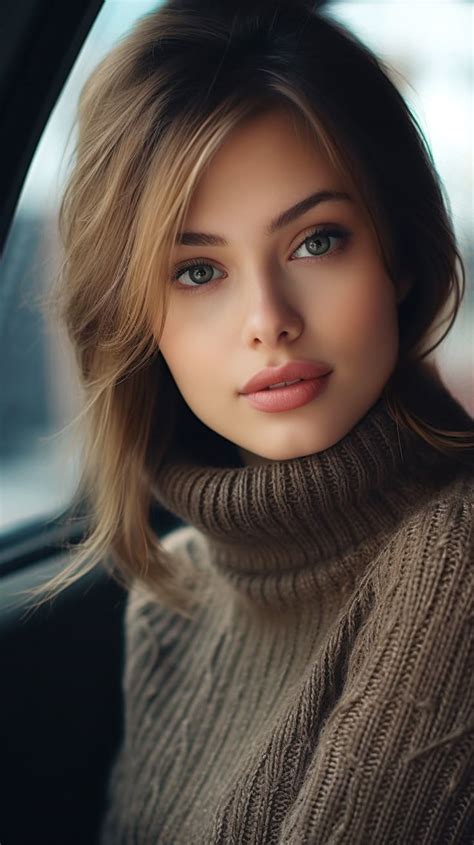
Before you can effectively adapt any tutorial, you must first understand your own unique canvas. This involves a deep dive into your individual features: your face shape, eye shape, skin tone, undertones, and even your hair color. A technique that looks stunning on a model with almond eyes might not translate the same way to hooded eyes. Similarly, a bronzer shade perfect for warm skin tones could appear muddy on cooler complexions. Take the time to analyze your features in natural light, identify what you love, and pinpoint areas you wish to enhance or balance.
Consider your personal style as well. Are you drawn to minimalist chic, bohemian glam, classic sophistication, or edgy trends? Your makeup should be an extension of who you are, making you feel confident and comfortable. Knowing these fundamental aspects of your personal aesthetic is the first critical step in customizing any makeup artistry.
Deconstructing Tutorials for Adaptability
The key to adapting tutorials lies in deconstruction. Instead of viewing a tutorial as a rigid set of rules, break it down into its core components: the technique being taught (e.g., winged liner, cut crease), the products being used (e.g., matte eyeshadow, cream blush), and the overall desired effect (e.g., lifting, defining, brightening). Once you identify these elements, you can begin to make informed substitutions and modifications.
Ask yourself: What is the *purpose* of this step? Is it to create shadow, add highlight, define a line, or blend a transition? Understanding the ‘why’ behind each action allows you to find alternative methods or products that achieve the same effect in a way that suits you better. For instance, a heavy contour might be softened to a light sculpt for a more natural look on your face shape, or a bold lip color swapped for a softer stain.
Product Power: Customizing Your Kit
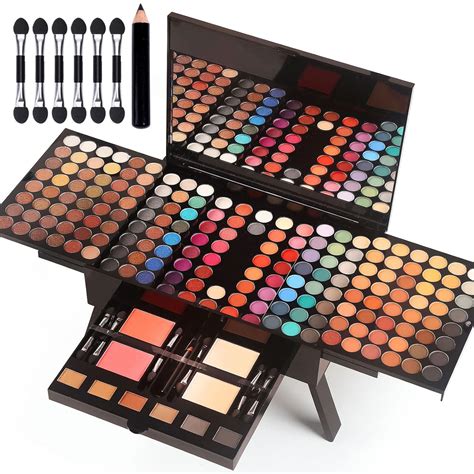
The products used in tutorials are often brand-specific or chosen for a particular look. For personalized elegance, you’ll want to swap them out for alternatives that complement your skin type, tone, and preferences. If a tutorial uses a cream contour, but you prefer powders, adapt by finding a powder contour in the right shade and apply it with a suitable brush. Pay close attention to colors – a cool-toned brown eyeshadow might be perfect for you, even if the tutorial uses a warm-toned one.

Don’t be afraid to experiment with different formulas either. If a full-coverage foundation is shown, but you prefer a lighter, more natural finish, use a tinted moisturizer or sheer foundation. The goal is to achieve a similar *effect* using products that feel comfortable and look harmonious on you.
Technique Transformation: Subtraction, Substitution, & Enhancement
This is where the magic of personalization truly happens. You can subtract steps that don’t serve your look, substitute techniques for better alternatives, or enhance certain aspects to make them uniquely yours. For example, if a tutorial calls for a dramatic lower lash line, but you find it makes your eyes appear smaller, simply omit it or use a lighter touch with a nude liner instead.
Substitution might involve changing the angle of your winged liner to better suit your eye shape, or using a different brush to achieve a softer blend. Enhancement is about taking a core idea and elevating it for your style – perhaps adding a touch more shimmer to an evening look, or simplifying a complex eye makeup for everyday wear. Remember, every face is a three-dimensional canvas, and slight adjustments to placement, pressure, and product density can make a world of difference.
The Role of Practice and Experimentation
Personalized elegance isn’t achieved overnight. It requires practice and a willingness to experiment. Treat each tutorial not as a final blueprint, but as a starting point for your own creative journey. Set aside time to play with makeup, trying different interpretations of a technique. Don’t be afraid to make mistakes; they are invaluable learning opportunities. Take photos to track your progress and see what looks best on you from various angles and in different lighting.

Embracing Your Signature Look
Ultimately, adapting tutorial artistry for personalized elegance is about finding your signature look – a collection of techniques and products that consistently make you feel beautiful, confident, and authentic. It’s about taking inspiration from the experts and then filtering it through the lens of your own unique beauty. This journey empowers you to move beyond imitation, fostering a deeper understanding of makeup as a tool for self-expression and enhancement, rather than disguise.

By investing in self-awareness, critical analysis, and playful experimentation, you transform generic tutorials into personalized blueprints for your most elegant self. Embrace the process, trust your instincts, and let your unique beauty shine through every brushstroke.