



How to bridge online tutorial theory to flawless real-world makeup artistry?
From Screen to Skin: Bridging the Makeup Knowledge Gap
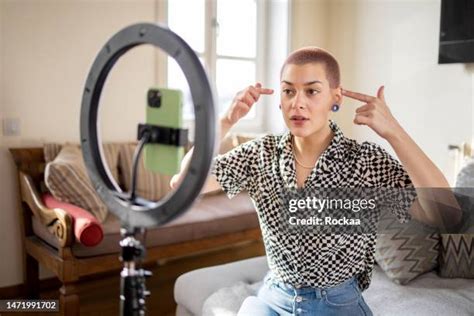
Online makeup tutorials have revolutionized how we learn about beauty, offering an accessible, often free, wealth of information from global artists. From intricate cut creases to everyday natural looks, the digital world is brimming with step-by-step guides. However, many aspiring makeup enthusiasts find a frustrating disconnect: what looks flawless on screen doesn’t always translate seamlessly to their own face in the real world. This article explores practical strategies to bridge that gap, transforming theoretical online knowledge into masterful, real-world makeup artistry.
The Disconnect Between Digital and Reality
The models in tutorials often have ideal lighting, professional-grade products, and skin types that may differ vastly from your own. Factors like different face shapes, eye depths, skin textures, and even room lighting can dramatically alter how a technique or product performs. A technique that creates a stunning illusion on a model with ample lid space might look entirely different on hooded eyes, for example. Understanding these inherent differences is the first step towards successful adaptation.
Moreover, tutorials are often edited for conciseness, sometimes skipping the subtle nuances of product application, blending time, or the precise pressure required. What appears to be a quick swipe of a brush might, in reality, involve several minutes of careful layering and buffing.
Active Engagement: Beyond Passive Viewing
The most crucial step in bridging the gap is shifting from passive viewing to active engagement. Don’t just watch; actively participate. Pause the video frequently, grab your tools, and try to replicate each step as it’s demonstrated. This hands-on approach forces you to confront the practical challenges in real-time.
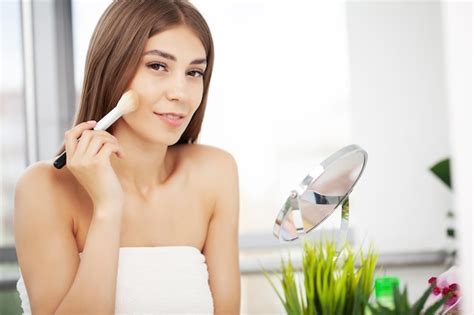
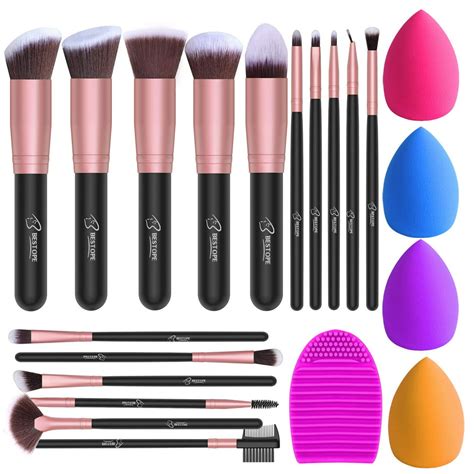
Invest in a good mirror, preferably one with different lighting options to simulate various environments (daylight, office, evening). Practice in front of it, focusing on the angles and techniques. Initially, you might find it helpful to use less expensive products for practice, saving your premium items for when you feel more confident.
Mastering Your Canvas: Self-Awareness in Application
Every face is unique. A key aspect of translating online theory is understanding your own features: your skin type (oily, dry, combination), undertones (warm, cool, neutral), face shape, eye shape, lip shape, and even the texture of your pores. Many tutorials provide generic advice, but a true artist learns to adapt.
For instance, if a tutorial suggests a sharp contour for a round face, but you have a more angular jawline, you’ll need to adjust the placement and intensity. Learn to identify your most flattering angles and how products interact with your skin. This self-awareness allows you to personalize techniques rather than simply copy them.

The Indispensable Role of Practice and Patience
Mastery in any skill comes from consistent practice, and makeup artistry is no exception. Dedicate regular time to experimentation. Don’t be afraid to make mistakes; they are invaluable learning opportunities. Keep makeup wipes handy and view each “failed” attempt as a stepping stone to improvement.
Document your progress by taking photos in consistent lighting conditions. Comparing your first attempts to later ones can be incredibly motivating and highlight areas where you’ve improved or still need work. Patience is your greatest ally; some techniques take weeks or even months to perfect.
Seeking Feedback and Expanding Horizons
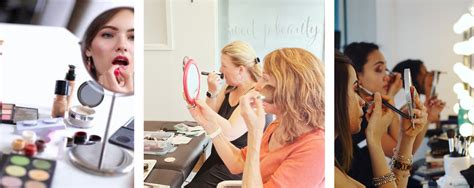
Once you feel somewhat comfortable, don’t shy away from seeking constructive feedback. Ask trusted friends or family for honest opinions. They might notice something you’ve overlooked. Consider attending local makeup workshops or in-person classes if available. These offer direct interaction with professionals who can provide personalized guidance and correct techniques in real-time, something online tutorials cannot fully replicate.
Engaging with online beauty communities can also be beneficial, allowing you to share your work, ask questions, and learn from others’ experiences. The journey from novice to adept makeup artist is continuous, fueled by curiosity and a commitment to refinement.
Conclusion
Transforming online makeup theory into flawless real-world artistry requires more than just watching videos; it demands active participation, deep self-awareness, relentless practice, and the courage to seek feedback. By consciously adapting techniques to your unique features and embracing the learning process with patience and persistence, you can move beyond mere imitation to truly master the art of makeup, creating looks that are not only beautiful but perfectly suited to you.