

How to guide users to describe product artistry and elegance effectively in reviews?
The Nuance of Artistry and Elegance in Product Reviews
In a marketplace increasingly saturated with choices, product reviews serve as critical guides for consumers. While functionality, durability, and value are often the focus, the intangible qualities of artistry and elegance can be equally, if not more, compelling. These subjective attributes—the ‘feel,’ the ‘look,’ the ‘craftsmanship’—differentiate products, build brand loyalty, and evoke emotional connections. However, guiding users to articulate these nuanced aspects effectively in their reviews presents a unique challenge. Many users default to practical observations, struggling to find the vocabulary or framework to express aesthetic appreciation.
Capturing these descriptive details enriches the overall review landscape. It moves beyond a simple feature list, allowing prospective buyers to envision the product’s presence and experience, much like appreciating a piece of art. For brands, this qualitative feedback is invaluable, offering insights into which design elements resonate most deeply with their audience.
Strategies for Guiding User Descriptions
To cultivate reviews that sing with descriptions of elegance and artistry, platforms and brands must proactively guide their users. Here are several effective strategies:
Employ Targeted Prompting Questions
Move beyond generic prompts like “What did you like?” or “What didn’t you like?” Instead, design specific questions that encourage reflection on aesthetic qualities. These questions should prompt users to think about the sensory and emotional impact of the product.
- “How does the product’s design make you feel? (e.g., sophisticated, calm, inspired)”
- “Describe the craftsmanship or attention to detail. What specific elements stand out?”
- “What specific design elements contribute to its elegant or artistic appearance? (e.g., curves, finishes, materials)”
- “If this product were a piece of art, what would be its defining characteristics or movement?”
- “How does its aesthetic appeal integrate with or enhance its functionality?”

Provide Illustrative Examples and Vocabulary
Sometimes, users simply need a starting point or a lexicon. Offer examples of high-quality, descriptive reviews that successfully capture artistry. This can be done through curated featured reviews or short snippets.
- Word Banks: Provide a curated list of adjectives for elegance and artistry (e.g., sleek, minimalist, ornate, refined, robust, delicate, seamless, harmonious, sculptural, artisanal, bespoke).
- Sentence Starters: Offer phrases like “The subtle curvature of…”, “The choice of material creates a sense of…”, “There’s an undeniable grace in the way…”, “The tactile experience is…”
Incorporate Visual Cues and Multimedia Encouragement
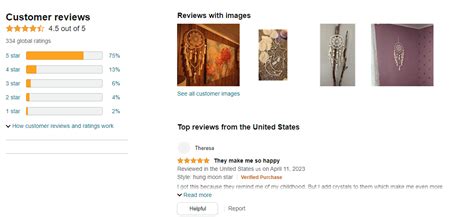
Visuals are paramount when discussing aesthetics. Encourage users to upload high-quality images and videos that specifically showcase the artistic and elegant details of a product.
- Prompt users to take close-up shots of textures, finishes, unique design elements, or how the product integrates into an elegant setting.
- Allow tagging of specific visual elements within their uploaded media, further categorizing aesthetic feedback.

Implement Structured Review Templates
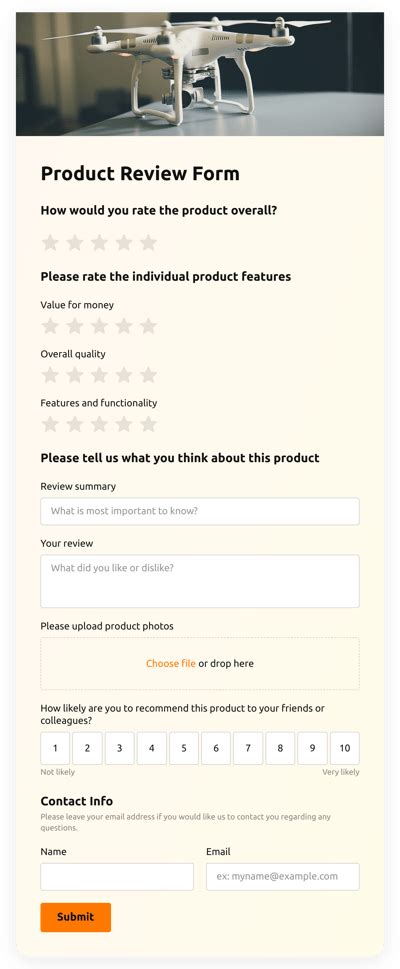
Break down the review process into distinct sections. Beyond functionality and durability, create a dedicated section for ‘Aesthetics’ or ‘Design & Craftsmanship’.
- Use specific rating scales for ‘Design Aesthetic,’ ‘Material Quality,’ ‘Finish,’ or ‘Tactile Experience’ in addition to overall satisfaction.
- Include open-text fields within these sections, specifically prompting for descriptive language related to artistry.
Gamification and Incentivization
Acknowledge and reward users who submit exceptionally descriptive and insightful reviews focusing on aesthetics. This encourages others to follow suit.
- Feature exemplary reviews prominently on product pages or in newsletters.
- Offer badges like ‘Top Aesthetic Reviewer’ or ‘Design Connoisseur.’
- Provide small incentives (e.g., loyalty points, discounts) for reviews that meet specific quality criteria, including descriptive language of artistry and elegance.

The Benefits of Rich Aesthetic Feedback
By effectively guiding users to describe product artistry and elegance, platforms unlock a wealth of benefits:
- Enhanced Brand Storytelling: Authentic, user-generated descriptions of a product’s beauty reinforce its brand identity and narrative.
- Deeper Product Insights: Designers and product developers gain valuable qualitative data on which aesthetic elements resonate most powerfully with consumers.
- Improved Purchasing Decisions: Prospective buyers receive a more holistic understanding of a product, allowing them to make choices based on emotional appeal as well as practical features.
- Increased Engagement: A community that feels empowered to express detailed appreciation tends to be more engaged and loyal.

Conclusion: Elevating the Review Experience
Guiding users to describe product artistry and elegance effectively transforms product reviews from mere functional assessments into vibrant testimonials of aesthetic appreciation. By implementing targeted questions, offering vocabulary, encouraging visuals, structuring feedback, and incentivizing detail, platforms and brands can unlock a richer, more meaningful dialogue around their products. This not only elevates the user’s review experience but also provides invaluable insights for product evolution and fosters a deeper connection between products and their admirers, moving beyond the utilitarian to embrace the truly beautiful.