


How to refine a Pro Artist Portfolio for enhanced artistry and elegant presentation?
The Indispensable Art of Portfolio Refinement
For any professional artist, a portfolio is far more than a collection of work; it’s a meticulously crafted narrative of your artistic journey, skill, and vision. In a competitive creative landscape, the ability to refine and present your portfolio with elegance and clarity is paramount to standing out, attracting opportunities, and communicating your unique artistic voice. This guide will walk you through the essential steps to transform your portfolio into a powerful statement of your enhanced artistry.
Strategic Curation: Quality Over Quantity
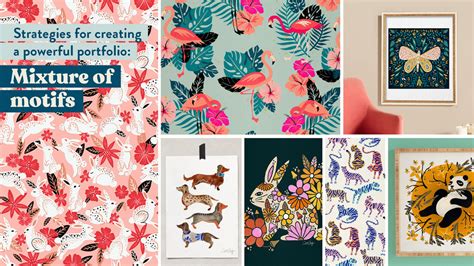
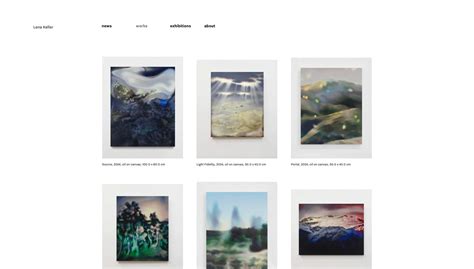
The first and most critical step in refining your portfolio is strategic curation. Resist the urge to include every piece you’ve ever created. Instead, focus on showcasing only your strongest, most representative, and most relevant works. Think of your portfolio as an exhibition: each piece must earn its place. Aim for cohesion, ensuring that the selected works demonstrate a consistent aesthetic, thematic thread, or a clear progression of skill. If you’re targeting specific opportunities, tailor your selection to highlight the skills and styles most pertinent to that context. Don’t be afraid to remove older, weaker pieces; they can detract from the overall strength of your current best work.
Elevating Your Presentation: Beyond the Artwork
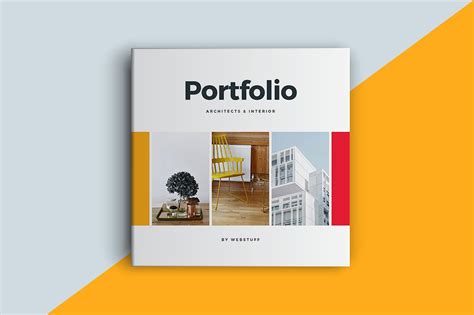
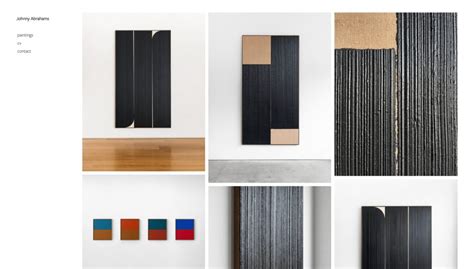
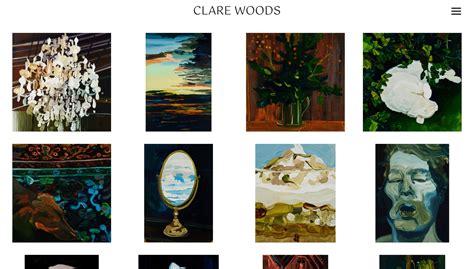
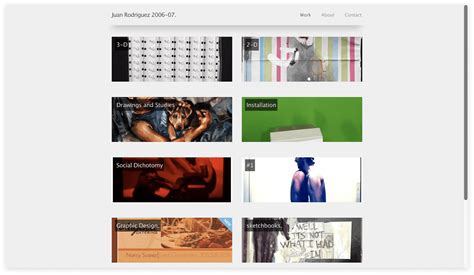
Once you’ve curated your selection, the presentation itself becomes a work of art. High-quality imagery is non-negotiable; ensure all pieces are professionally photographed or scanned, with accurate color representation and optimal lighting. For digital portfolios, choose a clean, intuitive platform (like a dedicated website, Behance, or ArtStation) that allows your art to shine without distraction. Maintain a consistent visual style across your portfolio – from typography to spacing. For physical portfolios, consider premium printing, elegant binding, and perhaps even custom framing for select pieces. Thoughtful design reinforces your professionalism and respect for your own work.
Crafting a Compelling Narrative and Artist Statement
Your portfolio should tell a story. Arrange your pieces in a logical sequence that guides the viewer through your creative process or highlights different facets of your talent. Consider starting with a strong “hero” piece and ending with another memorable work. Each piece, or series, can be accompanied by a concise yet informative description or an artist statement that provides context, explains your intentions, or elaborates on techniques used. Your overall artist statement, typically placed at the beginning or on an ‘About’ page, should articulate your artistic philosophy, influences, and what drives your practice. This narrative component adds depth and allows viewers to connect more deeply with your artistry.
Digital Dominance vs. Tangible Touch: Balancing Formats
In today’s world, a robust digital presence is essential. Your online portfolio should be responsive, easy to navigate, and optimized for various devices. Include professional contact information and links to relevant social media or gallery pages. However, depending on your field, a physical portfolio might still hold sway for in-person interviews or gallery submissions. A beautifully printed, tangible portfolio can offer a sensory experience that digital cannot fully replicate. The key is to have both, ensuring they are complementary and consistent in quality and messaging, while perhaps tailored slightly for their specific medium and audience.

The Continuous Cycle of Review and Refinement
A professional artist portfolio is not a static document; it’s an evolving representation of your growth. Regularly review your portfolio, ideally with fresh eyes or feedback from trusted peers and mentors. Ask critical questions: Does it still represent my best work? Is it current? Does it effectively communicate my artistic identity and goals? Embrace this continuous cycle of review and refinement to ensure your portfolio remains a dynamic, elegant, and powerful testament to your evolving artistry, consistently opening doors to new opportunities and collaborations.