
How to visually emphasize artisanal quality & design elegance in reviews?
The Power of Visuals in Reviewing Artisanal Products
When reviewing products, especially those celebrated for their artisanal quality and design elegance, words alone often fall short. The intricate details, unique textures, and thoughtful craftsmanship that define such items demand a visual narrative. For reviewers, the challenge lies in translating these tactile and aesthetic qualities into compelling imagery and video that resonates with potential buyers, allowing them to truly appreciate the product’s value before ever holding it in their hands.
Effectively showcasing the handmade charm or sophisticated design of an item can elevate a review from merely informative to genuinely inspiring. It builds trust, communicates authenticity, and creates a deeper connection between the product and the viewer. This guide explores practical visual strategies to help you emphasize these crucial aspects in your product reviews.
Mastering Photography for Artisanal Details
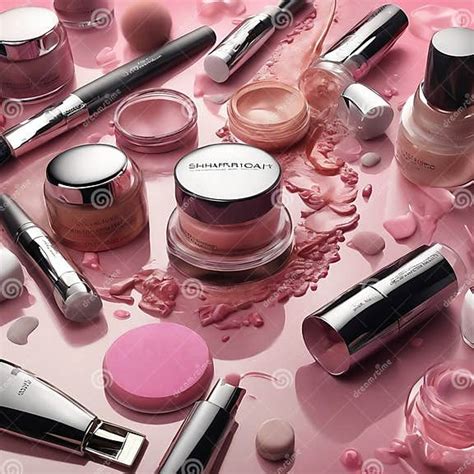
High-quality photography is the cornerstone of any visual review, particularly when dealing with artisanal goods. Focus on capturing the essence of craftsmanship through detailed shots. Utilize macro photography to highlight unique stitching, hand-carved elements, material imperfections (which often add character), and the subtle variations that distinguish handmade items from mass-produced ones. Ensure sharp focus, excellent lighting, and a clean background that allows the product to shine without distraction.

Think about the story each detail tells. Is it the texture of a custom-blended fabric, the sheen of a hand-polished wood, or the precision of a carefully set stone? Each element contributes to the overall narrative of quality and elegance. Vary your angles to reveal different facets of the design, from broad overviews to tight crops that emphasize the artisan’s skill.
Contextualizing Design Elegance
Beyond individual details, the overall design elegance of a product often comes to life when viewed in context. Lifestyle photography can be incredibly powerful here. Show the product in its intended environment or a setting that complements its aesthetic. For example, a handmade ceramic mug might be pictured on a rustic wooden table with a steaming cup of coffee, or an elegant piece of jewelry worn on a model, subtly highlighting its drape and sparkle.

These contextual shots not only make the product more relatable but also help viewers envision it within their own lives. They allow the design to speak for itself, demonstrating how it enhances an environment or complements a personal style. Consider the mood and atmosphere you want to convey – is it cozy, luxurious, minimalist, or vibrant?
Leveraging Video for Dynamic Storytelling
While static images are essential, video offers an unparalleled opportunity to tell a dynamic story about artisanal quality and design. A well-produced video review can showcase a product’s functionality, material movement, and the way light interacts with its surfaces in a way that photos cannot. Use smooth pans and tilts to reveal the full scope of a design, and close-up footage to highlight textures and finishes as they appear in motion.

Consider including segments that demonstrate the product’s use, an unboxing experience, or even a brief glimpse into the creation process (if permission allows). This adds an extra layer of authenticity and appreciation for the craftsmanship. A 360-degree view can also be invaluable for complex designs, ensuring no detail is missed by the viewer.
Lighting, Composition, and Consistency
Effective lighting is non-negotiable for showcasing quality. Natural, diffused light is often best for revealing true colors and textures without harsh shadows or glares. Experiment with different light sources to find what best highlights the unique properties of the material, whether it’s the luster of metal or the warmth of wood.
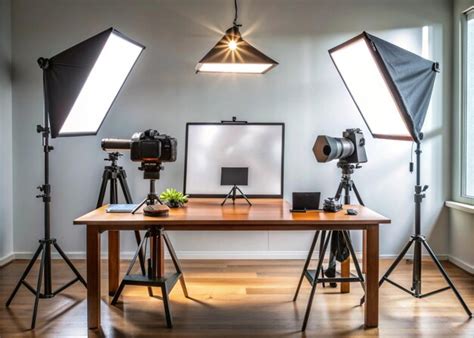
Composition also plays a vital role. Employ techniques like the rule of thirds, leading lines, and symmetrical balance to create visually appealing and informative images. A clean, uncluttered background is usually paramount. Finally, maintain consistency in your visual style across all reviews. This builds a recognizable brand for your reviews and reinforces your professionalism.
Beyond the Image: Integrating Visuals with Narrative
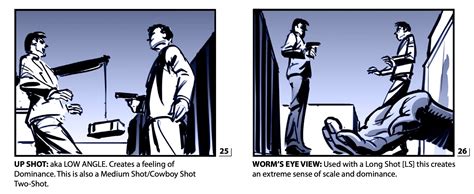
Visuals should not stand alone. They must be seamlessly integrated with your written narrative. Use descriptive captions for each image and video segment, pointing out specific details of artisanal quality or design elegance that the visual emphasizes. Reference your visuals within your text, guiding the reader’s eye and reinforcing your points.
Tell the story behind the product if available – who made it, how it was made, and what inspired its design. This narrative adds a human element that further elevates the perception of quality and elegance. The combination of strong visuals and compelling storytelling creates a review that is not only informative but also deeply engaging and persuasive.
Conclusion
Visually emphasizing artisanal quality and design elegance in product reviews requires a thoughtful and strategic approach. By mastering photography techniques, contextualizing products, leveraging the power of video, and paying close attention to lighting and composition, reviewers can create content that truly captures the essence of exceptional craftsmanship. When visuals are seamlessly integrated with a compelling narrative, you empower your audience to appreciate the true artistry and value of the products you review, fostering a deeper connection and driving informed purchasing decisions.