


Mastering tutorial techniques: How to adapt for *your* unique elegance & artistry?
Beyond Copy-Pasting: Why Your Makeup Deserves a Personal Touch
In the vast world of makeup tutorials, it’s easy to get lost in a sea of identical looks. While these step-by-step guides are invaluable for learning new techniques and discovering trends, they often present a one-size-fits-all approach that doesn’t account for the beautiful diversity of individual features, skin tones, and personal styles. The goal shouldn’t be mere replication, but intelligent adaptation.
True elegance and artistry in makeup emerge when you understand the ‘why’ behind the ‘how’ and tailor it to enhance your unique canvas. This article will guide you through the process of deconstructing tutorials, understanding your own features, and personalizing techniques to cultivate a look that is authentically and beautifully you.
Understanding Your Canvas: The Foundation of Adaptation
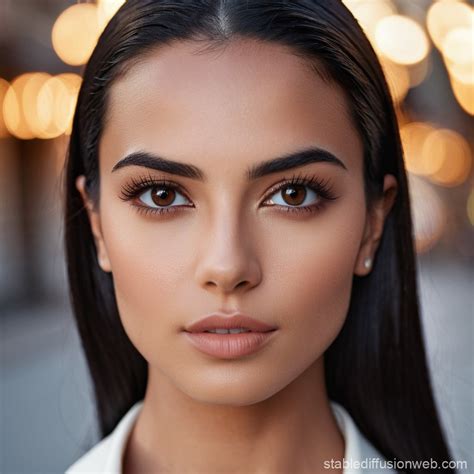
Before you can adapt any tutorial, you must intimately know your own face. This means understanding your unique features: your face shape (oval, round, square, heart, long), eye shape (hooded, monolid, almond, round, downturned), lip shape, and most crucially, your skin tone and undertone (warm, cool, neutral). These elements dictate how light interacts with your face, where shadows naturally fall, and which colors will truly flatter you.
Take a moment to analyze yourself in natural light. What are your prominent features? Where would you naturally contour or highlight? How do different eye shapes require different approaches to eyeliner or eyeshadow placement? This self-awareness is the bedrock upon which all successful makeup adaptation is built.
Deconstructing Techniques: Making Tutorials Work for You
Once you understand your features, you can begin to critically analyze tutorial techniques. Don’t just follow blindly; ask yourself how a particular step might need adjustment for your face.
Tailoring Eye Looks
A dramatic winged liner might look stunning on almond eyes but could get lost or look heavy on hooded or downturned eyes. Learn to adjust the angle, thickness, and length of your wing. For eyeshadow, consider how different crease placements work for your eye shape. A cut crease might need to be ‘faux’ or adjusted higher for hooded lids, while a darker outer-V might be softened for smaller eyes.
Similarly, brow shapes can be tweaked to better frame your face. A strong, arched brow might not suit a round face as well as a softer, more angled one. Every technique has variables that can be manipulated to fit your unique beauty.

Perfecting Base & Contour
Foundation tutorials often show general application. Instead, focus on applying product only where needed, building coverage strategically to even out your tone without masking your natural skin. Contour and highlight placements are perhaps the most feature-dependent. A contour line that perfectly sculpts a round face might make a long face appear even longer. Identify the natural shadows and high points of *your* face, and use the tutorial as a suggestion, not a strict blueprint.
Color & Texture: Your Personal Palette
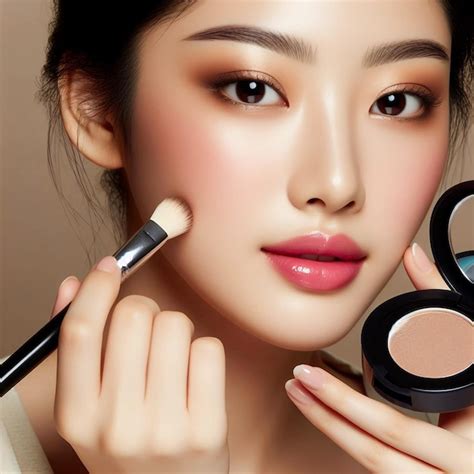
Color theory is paramount when adapting tutorials. A vibrant fuchsia lipstick might pop beautifully on someone with cool undertones, but clash with warmer skin. Understand your undertone – warm (golden, peachy), cool (pink, blue), or neutral – to choose eyeshadows, blushes, and lip colors that truly harmonize with your complexion. Don’t be afraid to swap out a recommended shade for one that suits you better, even if the technique remains the same.
Texture also plays a huge role. Matte foundations might be ideal for oily skin, but emphasize dry patches on others. Shimmery eyeshadows can be stunning, but might highlight texture on mature eyelids. Cream products often give a more natural finish than powders. Experiment with different textures and finishes to see what works best with your skin type and desired aesthetic.
The Art of Substitution & Experimentation
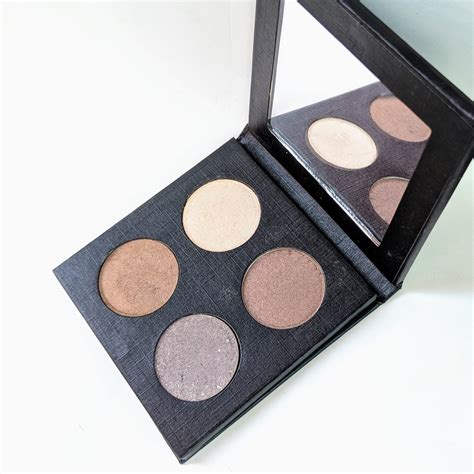
One of the most liberating skills you can develop is product substitution. Don’t have the exact palette or brush recommended in a tutorial? Learn to find alternatives based on color, finish, and intended use. A cream blush can double as a lip tint; a matte brown eyeshadow can serve as a brow powder. This not only saves money but also fosters creativity.
Embrace experimentation. Don’t be afraid to try a technique and then adjust it. Maybe the wing needs to be a little shorter, or the blush placed slightly higher. Practice makes perfect, but playful experimentation makes it *yours*. Small tweaks can lead to monumental improvements in how a look translates onto your unique features.
Embrace Your Signature Style: The Ultimate Goal
Ultimately, the journey of mastering tutorial techniques isn’t about becoming a clone of your favorite makeup artist. It’s about taking their knowledge, filtering it through your unique lens, and developing your own signature style. Your makeup should feel comfortable, confident, and like an authentic extension of who you are. It’s about enhancing, not masking, your natural beauty.
This process transforms you from a mere follower of trends into a true artist, capable of creating looks that are not only technically proficient but also deeply personal and reflective of your individual elegance.
From Follower to Creator: Unleashing Your Inner Makeup Artist
By understanding your features, deconstructing techniques, personalizing colors and textures, and embracing experimentation, you unlock the true power of makeup tutorials. They become a rich resource for inspiration and learning, rather than rigid instructions. This approach allows you to move beyond simply copying looks to truly creating and curating your own unique elegance and artistry.
So, the next time you watch a tutorial, remember: it’s an invitation to learn, adapt, and ultimately, to celebrate *your* unique beauty. Go forth and create something wonderfully, authentically you!