


Prompts for refined, visually-rich reviews of artisan creations?
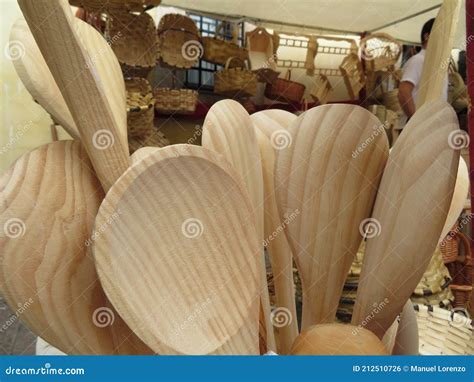
Reviewing artisan creations demands a level of detail and appreciation that goes beyond standard product assessments. It’s about capturing the soul of the handcrafted item, the dedication of its maker, and the unique experience it offers. To truly honor these one-of-a-kind pieces, reviews must be not only well-written but also capable of painting vivid mental images, complemented by actual visual richness.

Beyond the Basics: What Makes an Artisan Review Stand Out?
Unlike mass-produced goods, artisan creations often carry a story, unique imperfections, and a tactile quality that standard descriptions simply can’t convey. A standout review acknowledges the artist’s labor, the quality of materials, and the distinctiveness of the final piece. It delves into sensory details, emotional resonance, and the potential for a deeper connection with the item.
Core Prompts for Sensory Description
To craft truly refined reviews, engage all senses. Here are prompts to guide your observations:
- Sight: What are the dominant colors, subtle hues, and textures? Describe the finish—matte, glossy, rough, smooth. Are there any unique patterns, intricate details, or deliberate imperfections that add character? How does light interact with the surface?
- Touch: What does the item feel like in your hands? Is it heavy or light, warm or cool? Is it smooth, coarse, soft, or firm? How does its form fit into your grip or rest on a surface?
- Sound (if applicable): Does the item make a sound when handled? A gentle clink of ceramic, the rustle of fabric, the soft creak of wood?
- Smell (if applicable): For items like candles, soaps, leather goods, or wooden crafts, what are the primary and secondary scents? Are they natural, earthy, sweet, or fragrant?
- Taste (if applicable, for edibles): Describe the flavor profile—sweet, savory, tart, bitter. What are the textures within each bite, and how do they evolve?

Prompts for Highlighting Craftsmanship & Process
Showcasing the ‘how’ behind the ‘what’ adds immense value to an artisan review:
- What materials were used, and what is their quality? Are they sustainably sourced, rare, or traditional?
- Can you identify specific techniques used (e.g., hand-stitched, thrown on a wheel, hand-painted, carved)? What does this tell you about the skill involved?
- How does the attention to detail manifest? Are edges perfectly finished, seams meticulously aligned, or patterns intricately rendered?
- Does the item show evidence of the maker’s hand or unique artistic signature?
- What is the perceived durability and longevity of the piece?

Prompts for Visual Storytelling & Photography
Visually-rich reviews depend heavily on compelling imagery. Guide your photography with these prompts:
- Contextual shots: How does the item look in its intended environment or a natural setting? (e.g., a mug on a cozy table, jewelry being worn).
- Detail shots: Capture extreme close-ups of texture, unique markings, stitching, glazes, or intricate patterns.
- Angle diversity: Photograph the item from multiple angles—top-down, eye-level, low-angle—to showcase its form and dimensions.
- Lighting: Experiment with natural light, highlighting shadows and contours to add depth. How does the item reflect or absorb light?
- Scale comparison: Include an object of known size (a hand, a coin) to give viewers a sense of the item’s actual dimensions.
- Before/After (if applicable): For items that change with use or age gracefully, consider showcasing that journey.

Engaging the Reader & Evoking Emotion
A great review doesn’t just describe; it connects:
- How does the item make you feel? Joyful, peaceful, inspired, elegant?
- What personal connection do you feel to the piece? Does it remind you of something, or spark a memory?
- Who would this item be perfect for? Is it a unique gift, a personal indulgence, or a collector’s item?
- What is its potential for long-term enjoyment or integration into daily life?
Structuring Your Review for Maximum Impact
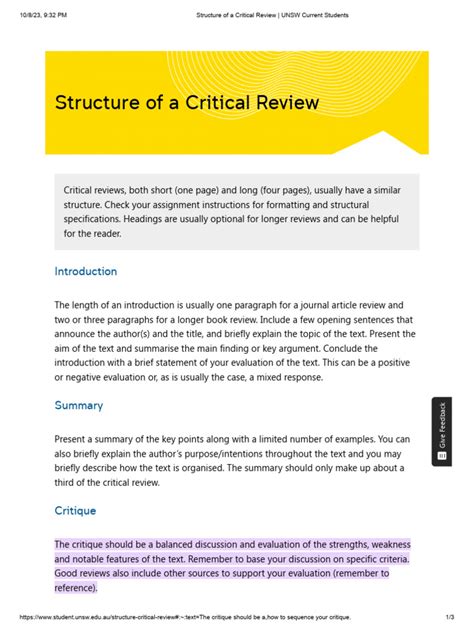
Organize your observations into a coherent narrative:
- Introduction: Hook the reader, introduce the artisan and the piece.
- First Impressions & Sensory Details: Dive into what you immediately see, feel, and perhaps smell.
- Craftsmanship & Materials: Discuss the quality, techniques, and unique elements of its creation.
- Functionality & Experience: How does it perform its intended purpose? What is the user experience?
- Visual Storytelling Integration: Seamlessly weave in descriptions that complement your chosen images.
- Conclusion & Recommendation: Summarize the value and uniqueness, offering a clear recommendation.
By using these prompts, reviewers can move beyond generic praise to deliver truly refined, visually-rich reviews that celebrate the artistry and heart behind every handmade creation. This not only benefits potential buyers but also provides invaluable recognition to the artisans themselves.