
Struggling to replicate tutorial looks? How to adapt techniques for personal elegance?

The Universal Frustration: When Tutorials Don’t Translate
It’s a familiar scenario for many beauty enthusiasts: you spend hours watching a captivating makeup tutorial, meticulously follow every step, only to find the end result looks nothing like the stunning transformation on screen. The perfect smoky eye might look muddy, the sharp contour might seem harsh, or the glowing highlight might appear out of place. This common struggle can be disheartening, making you wonder if you’re doing something wrong. The truth is, tutorials are fantastic starting points, but they are often created for a specific face shape, skin tone, or eye type. The key to unlocking your true potential isn’t about perfect replication, but intelligent adaptation.

Understanding Your Canvas: Your Unique Features
Before you can adapt any technique, you must first understand the canvas you’re working with: your own face. Every face is beautifully unique, with different bone structures, eye shapes, lip fullness, and skin textures. Take time to analyze your features in natural light. What is your face shape (oval, round, square, heart, long)? Do you have hooded eyes, almond eyes, deep-set, or prominent eyes? What is your skin’s undertone (warm, cool, neutral)? Knowing these fundamental aspects will empower you to make informed decisions about color palettes, product placement, and application methods.
Deconstructing Tutorials: Focus on Technique, Not Just the Look
Instead of viewing a tutorial as a rigid set of instructions, consider it a masterclass in technique. The goal isn’t to copy the exact look, but to learn the ‘how-to’ behind it. For instance, if a tutorial demonstrates a cut crease, understand the *method* of defining the crease with concealer, rather than insisting on the exact purple and gold eyeshadows used. Focus on:
- Brush strokes and pressure: How is the product being applied?
- Blending methods: What circular motions, tapping, or sweeping techniques are used?
- Product types: Why is a cream blush used versus a powder?
- Placement principles: Where is the product supposed to go in relation to the face?
With these insights, you can then modify the intensity, color, and placement to suit your personal style and features.
Adapting Key Makeup Elements for You
Foundation & Base: Your Skin, Your Rules
The perfect base is crucial. A tutorial might use a full-coverage, matte foundation, but if you have dry skin, a dewy, lighter coverage might be more flattering. Always match your foundation to your skin’s undertone and choose a finish that complements your skin type. Remember to blend thoroughly down your neck for a seamless transition.
Eye Makeup: Framing Your Gaze
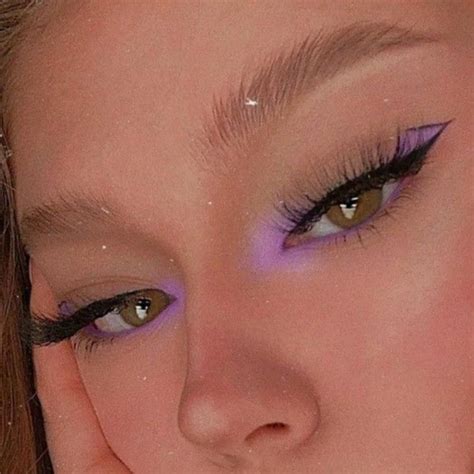
This is where adaptation shines. For hooded eyes, placing darker shades above the natural crease can create the illusion of depth. For round eyes, extending eyeliner outwards can elongate them. Experiment with:
- Eyeshadow placement: Adjust the placement of your crease shade, lid color, and outer V based on your eye shape.
- Eyeliner: A thick wing might overwhelm small eyes, while a subtle flick can enhance them. Adapt the length, thickness, and angle.
- Brows: Shape your brows to frame your face, not just follow current trends. A softer arch might suit a round face, while a more defined arch can complement an oval face.
Contour & Highlight: Sculpting for Your Structure
Contour and highlight should enhance your natural bone structure, not paint on a new one. A tutorial might contour the cheekbones in a specific way, but if you have a round face, you might want to bring the contour slightly lower and softer. For highlighting, identify the high points of *your* face where light naturally hits – usually the top of cheekbones, bridge of the nose, and cupid’s bow. Use a light hand and blend, blend, blend!

Lip Colors & Shapes: Enhancing Your Smile
Lip colors can dramatically alter a look. Choose shades that complement your skin tone and personal style. If a tutorial features a bold red, but you prefer a softer look, adapt it to a berry stain or a muted rose. When shaping, focus on enhancing your natural lip line rather than drastically over-lining, for a more elegant and authentic finish.
Building Your Signature Look: Confidence Through Customization
By consistently adapting techniques, you’ll start to develop a repertoire of methods that truly work for you. This journey of experimentation and self-discovery will lead you to create your own signature look – a collection of techniques and product choices that make you feel confident, beautiful, and authentically you. Your signature look isn’t about following trends; it’s about embracing and enhancing your unique beauty.
Embrace Your Personal Elegance
Moving beyond direct replication to thoughtful adaptation is the essence of true makeup artistry for personal use. It transforms makeup from a mask into a tool for self-expression and enhancement. By understanding your features, dissecting techniques, and experimenting with confidence, you’ll cultivate a personal elegance that is uniquely yours – sophisticated, flattering, and always in style.