



What elements transform a product review into an elegant guide for buyers?

In today’s crowded marketplace, consumers are inundated with product information, making it challenging to discern truly valuable insights from mere endorsements. A run-of-the-mill product review, while potentially helpful, often falls short of empowering buyers to make informed decisions confidently. The true art lies in elevating a review into an elegant guide – a comprehensive, trustworthy, and user-centric resource that anticipates needs and clarifies complexities. But what specific elements facilitate this transformation, turning a simple opinion into an indispensable buying companion?
Beyond the Basics: Core Pillars of an Elegant Guide

An elegant buyer’s guide moves beyond surface-level observations. It delves deep, providing context, comparison, and clarity that a typical review might omit. The foundation rests on a few critical pillars that collectively build trust and utility.
1. Unbiased Honesty and Transparency
The cornerstone of any trustworthy guide is unwavering honesty. Buyers seek authentic perspectives, not sales pitches. This means clearly disclosing any potential biases, outlining the testing methodology, and presenting both the strengths and weaknesses of a product without exaggeration. An elegant guide doesn’t just state facts; it explains the ‘why’ behind them, fostering credibility and allowing readers to trust the author’s judgment.
2. In-depth Research and Contextual Analysis
An elegant guide is born from meticulous research. It doesn’t just review a product in isolation but places it within its market context. This includes understanding the target audience, comparing it to direct competitors, analyzing its value proposition against its price point, and considering its long-term viability or upgrade path. This analytical depth helps buyers understand where the product stands in the broader landscape.
3. Practical User Experience and Real-World Scenarios
While specifications are important, how a product performs in the hands of a real user is paramount. An elegant guide incorporates detailed accounts of practical use, highlighting setup experiences, daily functionality, potential frustrations, and unexpected delights. It uses relatable scenarios to illustrate the product’s benefits and drawbacks, helping readers visualize themselves using it. This goes beyond a simple list of features to a narrative of actual interaction.
Structuring for Clarity and Empowerment
Even with excellent content, poor presentation can diminish its impact. An elegant guide prioritizes structure and accessibility, ensuring information is easy to digest and apply.
4. Clear, Comparative, and Actionable Information
An elegant guide presents information in a highly organized manner. This often includes:
- Pros and Cons: A balanced, concise summary of the key advantages and disadvantages.
- Key Specifications: Important technical details presented clearly, perhaps in a table for easy comparison.
- Use Cases: Identifying who the product is best for and who might find it unsuitable.
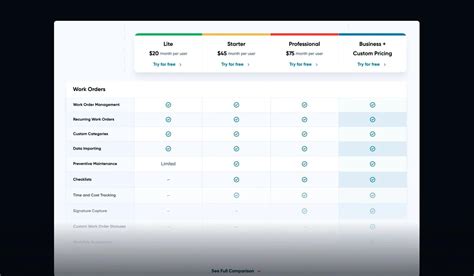
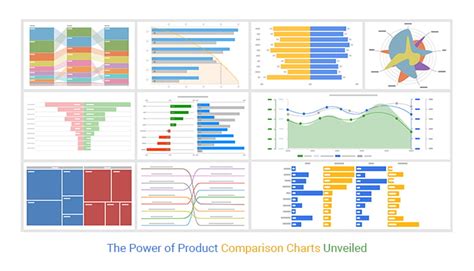
- Comparison Charts: Side-by-side analysis with competing products, highlighting differences in features, price, and performance.
The goal is to provide actionable insights that directly answer a buyer’s critical questions, allowing them to quickly assess suitability.
5. Visually Engaging and Multimedia-Rich Content
Text alone, however well-written, can sometimes fall short. An elegant guide leverages visuals to enhance understanding and engagement. High-quality photographs, product videos, unboxing sequences, or even simple infographics can illustrate features, demonstrate usage, and highlight design elements in ways words cannot. Visuals break up text, making the guide more inviting and easier to consume.

6. Long-Term Value and Future Considerations
An elegant guide looks beyond the immediate purchase. It considers aspects like product longevity, warranty, customer support, potential software updates, and the ecosystem it belongs to. Offering insights into the total cost of ownership or potential future accessory purchases adds significant value, helping buyers make a decision that stands the test of time.
The Refined Touch: Guidance and Authority
Finally, the guide distinguishes itself through its tone and the depth of its recommendations.
7. Authoritative Tone and Expert Recommendations
The writing style should convey confidence and expertise without being condescending. The author should sound knowledgeable and approachable. Furthermore, an elegant guide offers specific recommendations, not just observations. It might suggest alternative products for different budgets or use cases, provide tips for maximizing the product’s utility, or advise on where to purchase it for the best value.

Conclusion
Transforming a product review into an elegant guide for buyers is an art that combines rigorous analysis, genuine user insight, strategic presentation, and thoughtful recommendations. By focusing on unbiased honesty, in-depth research, practical experience, clear structure, engaging visuals, and actionable advice, authors can create resources that not only inform but also empower consumers, making the buying journey less daunting and more satisfying. Such guides build lasting trust and become invaluable tools in the consumer’s decision-making process.