



What prompts elicit detailed, aesthetic-focused reviews for luxury art pieces?
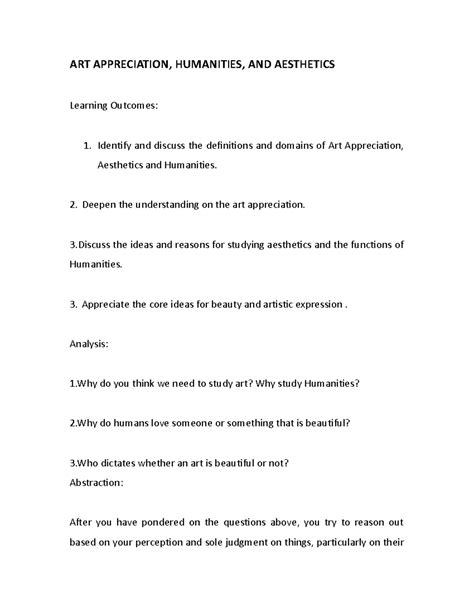
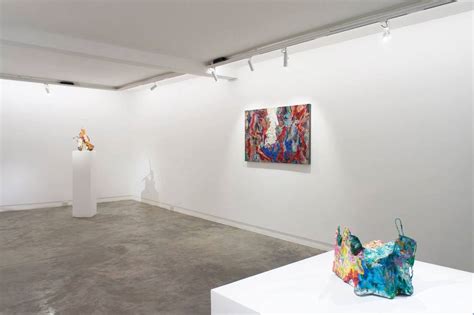
Generating comprehensive, aesthetically insightful reviews for luxury art pieces presents a unique challenge. Unlike functional products, art’s value is deeply subjective, residing in its visual impact, emotional resonance, historical context, and masterful execution. To move beyond generic praise and capture the true essence of a high-value artwork, review prompts must be carefully crafted to guide the reviewer towards a detailed exploration of its aesthetic qualities. This article delves into the most effective strategies for eliciting such profound and articulate evaluations.
Understanding the Art Connoisseur’s Mindset
To formulate effective prompts, it’s crucial to understand the mindset of someone engaged with luxury art. Collectors, curators, and enthusiasts often possess a sophisticated visual vocabulary and an innate appreciation for craftsmanship, rarity, and conceptual depth. They aren’t just looking at an object; they’re engaging with a narrative, a history, and an artist’s vision. Prompts should acknowledge and appeal to this discerning perspective, inviting them to share their specialized knowledge and unique sensory experience rather than just a superficial opinion.
The Power of Evocative Language in Prompts
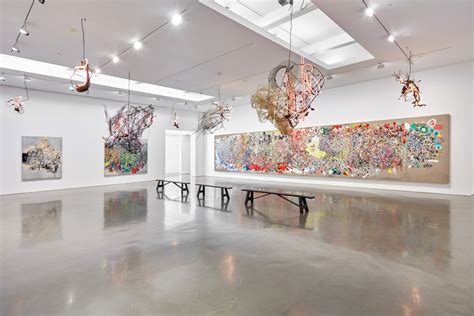
The language used in a prompt significantly influences the quality of the response. Instead of bland questions like “What do you think of this piece?”, use evocative terms that encourage descriptive and analytical thought. Phrases such as “Describe the emotional landscape…”, “Elaborate on the tactile qualities…”, or “Analyze the interplay of light and shadow…” push reviewers beyond simple observations into deeper aesthetic analysis. Prompts that invite storytelling or personal reflection also tend to yield richer narratives.
Focusing on Sensory and Emotional Impact
Luxury art often connects with viewers on a profound sensory and emotional level. Effective prompts should guide reviewers to articulate these subjective experiences.
- “How does this piece make you feel? What specific visual elements contribute to that emotion?”
- “Describe the dominant mood or atmosphere the artwork creates. How is this achieved through color, form, or composition?”
- “Does the artwork evoke any memories, thoughts, or associations for you? Share your personal connection.”
These questions move beyond technical appraisal to capture the artwork’s true impact.

Guiding the Reviewer Through Specific Art Elements
Sometimes, a reviewer needs a framework to structure their aesthetic evaluation. Breaking down the artwork into its constituent elements can be highly effective.
- Color Palette: “Discuss the artist’s use of color. Are there dominant hues? How do they interact? What mood do they convey?”
- Form and Composition: “Analyze the composition. How do lines, shapes, and forms guide the eye? Is there a sense of balance, tension, or dynamism?”
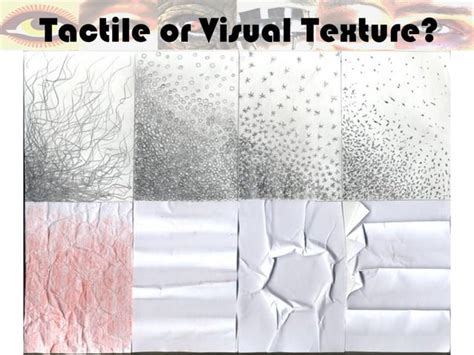
- Texture and Medium: “Describe the visible textures. How does the chosen medium (e.g., oil on canvas, bronze, mixed media) contribute to the overall aesthetic and message?”
- Brushwork/Technique: “Comment on the artist’s technique or brushwork. What does it reveal about their skill or artistic intent?”
By segmenting the review process, even those less experienced in formal art critique can offer valuable insights.
Encouraging Comparative and Contextual Analysis
Luxury art often gains significant value from its historical context, its place within an artist’s oeuvre, or its relation to broader art movements. Prompts that encourage comparative or contextual thinking elevate reviews.
- “How does this piece compare to other works by the same artist, or to contemporary pieces from a similar period?”
- “What historical, cultural, or artistic context do you believe is important for understanding this work’s full significance?”
- “If this piece were acquired for a private collection or public exhibition, where would it ideally be placed and why, considering its aesthetic impact?”
Such questions prompt reviewers to articulate the artwork’s unique position and value within a broader artistic landscape.
Conclusion
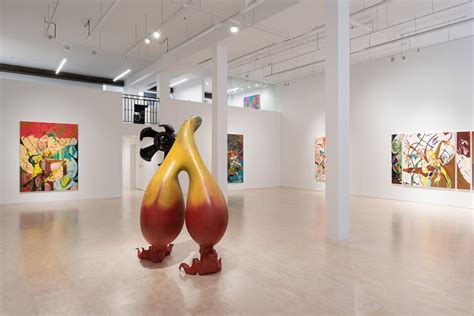
Eliciting detailed, aesthetic-focused reviews for luxury art pieces requires a thoughtful and strategic approach to prompt design. By understanding the sophisticated perspective of the art connoisseur, employing evocative language, focusing on sensory and emotional impact, guiding analysis of specific elements, and encouraging comparative and contextual thought, review platforms can foster a richer, more insightful dialogue around invaluable artworks. The goal is not merely to gather opinions but to cultivate a deeper appreciation and articulation of the art’s intrinsic beauty and significance.