


What prompts elicit detailed, elegant reviews for bespoke artisan products?
The Unparalleled Value of Bespoke Artisan Products
Bespoke artisan products stand apart from mass-produced goods, distinguished by their unique craftsmanship, personal narrative, and often, a higher price point reflecting the labor and artistry involved. From hand-stitched leather goods to custom-designed jewelry or unique ceramic pieces, these items are investments, not mere purchases. For such products, a simple star rating or a generic “good product” review utterly fails to capture their essence or communicate their true value to prospective buyers.
The challenge for artisan creators and marketers lies in inspiring customers to articulate the deep appreciation and nuanced experience these products offer. Detailed, elegant reviews act as powerful testimonials, conveying the artistry, the story, and the emotional connection that resonates with discerning buyers far more effectively than any marketing copy.

Why Standard Review Prompts Fall Short for Bespoke Items
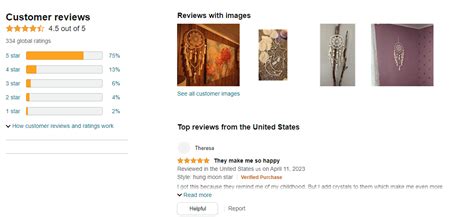
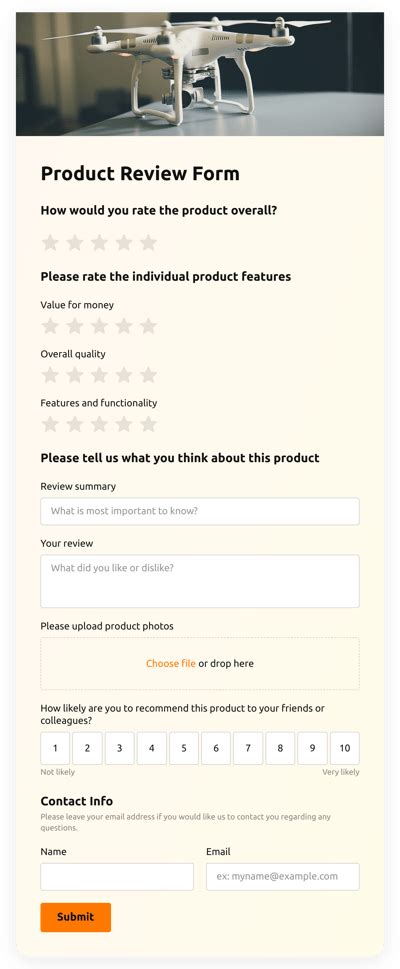
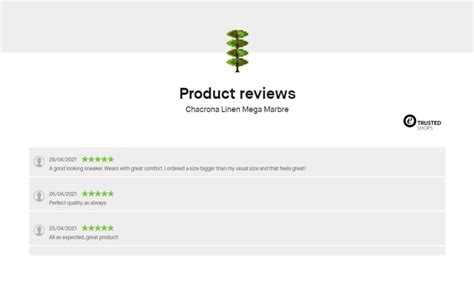
Most e-commerce platforms offer basic review prompts: “Rate your purchase 1-5 stars,” “Write a review,” or “What did you like/dislike?” While functional for everyday commodities, these prompts are too simplistic for bespoke artisan goods. They don’t guide the reviewer towards expressing the qualities that make these products special – the tactile feel of the material, the intricate details, the unique story behind its creation, or how it integrates into the customer’s personal lifestyle.
Customers, left to their own devices, might struggle to find the right words, leading to generic feedback that doesn’t do justice to the product or help others understand its distinct appeal. To unlock truly detailed and elegant reviews, the prompting strategy itself must be as thoughtfully crafted as the product it seeks to evaluate.
Crafting Prompts for Depth and Elegance
Focus on the Journey, Not Just the Product
An effective prompt encourages customers to reflect on their entire experience, from discovery to daily use. Instead of just asking about the product, inquire about their journey:
- “Describe the moment you first unboxed your [Product Name]. What were your initial impressions?”
- “What prompted you to choose this particular artisan piece? What were you looking for?”
- “How has your [Product Name] integrated into your daily life or special occasions?”

Highlighting Sensory and Emotional Experiences
Bespoke items engage multiple senses and often evoke strong emotions. Prompts should guide customers to articulate these:
- “Beyond its appearance, what sensory details stand out about your [Product Name]? (e.g., its texture, scent, sound, weight)”
- “How does owning or using this unique item make you feel? What emotions does it evoke?”
- “Describe a particular detail or feature of your item that truly captivates you.”
Encouraging Storytelling and Personal Connection
Every artisan product has a story, and a great review adds another chapter. Encourage customers to share their personal narrative:
- “Tell us a story about how your [Product Name] has been used or admired.”
- “Who would you recommend this product to and why?”
- “In what ways does this artisan piece reflect your personal style or values?”
Structuring the Prompt for Success
Open-Ended Questions are Key
Avoid yes/no questions. Instead, use “Describe,” “How,” “What,” “Why,” to prompt expansive answers. A well-constructed prompt might combine several guiding questions into a narrative framework, inviting the customer to tell their unique story.
Providing Guiding Examples (Without Leading)
You can gently suggest themes without dictating answers. For instance, “We’d love to hear about your experience – perhaps focusing on the craftsmanship, the materials, or how it makes you feel.” This gives direction without limiting creativity.
The Power of a Well-Timed Request
Don’t rush the review request. For bespoke items, customers need time to live with, use, and truly appreciate their purchase. Sending a request a few weeks or even a month after delivery allows for a more considered and genuine review. Combine the request with a personal touch – perhaps a thank you note from the artisan themselves.

Leveraging the Artisan’s Narrative
Remind customers of the artisan’s passion, process, and story in your review request. “Knowing the care and hours [Artisan’s Name] poured into creating your [Product Name], we’d be honored if you could share your appreciation.” This contextualizes the review request, making it feel less like a chore and more like an opportunity to acknowledge craftsmanship.
By framing the review as part of the ongoing story of the product and its creator, you encourage reviewers to contribute something meaningful, not just transactional feedback.

Conclusion
Eliciting detailed, elegant reviews for bespoke artisan products is an art form in itself. It requires moving beyond conventional review mechanisms and embracing a strategy that respects the unique nature of these items and the discerning taste of their owners. By crafting prompts that encourage storytelling, sensory description, emotional reflection, and an appreciation for the journey, artisans can gather testimonials that truly capture the essence and value of their creations, fostering trust and drawing in new admirers who seek more than just a product – they seek an experience, a story, and a piece of enduring beauty.