


What prompts elicit elegant reviews detailing craftsmanship & aesthetic appeal?
In the competitive landscape of modern commerce, product reviews are gold. They influence purchasing decisions, build trust, and offer invaluable feedback to businesses. However, not all reviews are created equal. While a simple five-star rating with “great product!” is appreciated, the true gems are those elegant narratives that delve into the nuances of craftsmanship, the thoughtfulness of design, and the overall aesthetic appeal. Such reviews don’t just sell products; they tell stories, educate potential buyers, and elevate brand perception. The key to unlocking these rich insights lies not just in asking for a review, but in asking the right questions.
Understanding the Goal: Beyond Basic Satisfaction
Most standard review prompts are designed to gauge general satisfaction: “How would you rate your purchase?” or “Were you happy with your order?” While these capture overall sentiment, they rarely prompt users to articulate specific details about why they loved (or disliked) a product. For items where quality, design, and artisan-level construction are selling points, generic prompts are a missed opportunity. Brands selling high-end furniture, handcrafted jewelry, designer apparel, or bespoke tech accessories need reviews that reflect the premium nature of their offerings.
The Pitfalls of Generic Prompts
The common “Rate your product” or “Tell us about your experience” prompts often lead to brief, unspecific responses. Customers are busy, and without specific guidance, they default to brevity. They might mention “good quality” or “looks nice,” but these statements lack the descriptive power and detailed observations that truly resonate with discerning buyers. To move beyond superficial feedback, we must guide our reviewers towards the very aspects we want them to highlight.
Crafting Prompts for Craftsmanship
To elicit reviews that sing about craftsmanship, prompts need to focus on tangible attributes related to construction, materials, and durability. Encourage customers to think like an artisan or an engineer. Here are some examples:
- “What specific details in the product’s construction stood out to you?”
- “How would you describe the quality and feel of the materials used?”
- “Did you notice any particular attention to detail in the finishing or assembly?”
- “How does the product’s build quality contribute to its overall durability and longevity?”
- “Were there any elements that suggested superior workmanship?”
These questions nudge the reviewer to inspect the product more closely, recalling their initial impressions and ongoing experience with its physical attributes. They shift the focus from a simple “it works” to a detailed analysis of “how it works and how it’s made.”
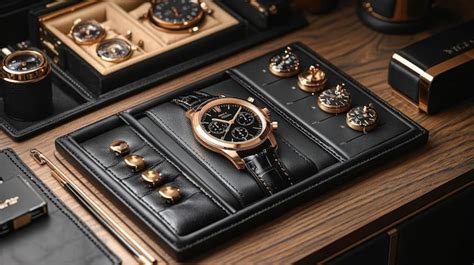
Eliciting Insights on Aesthetic Appeal
Aesthetic appeal is subjective, yet there are common threads of design principles that can be articulated. Prompts should encourage reviewers to describe the visual impact, emotional response, and how the product integrates into their personal style or environment.
- “How does the product’s design complement your existing style or decor?”
- “What aspect of its visual design (e.g., lines, colors, textures) do you find most appealing?”
- “Does the product evoke a particular mood or feeling when you look at it?”
- “How would you describe the overall ‘look and feel’ of the product?”
- “Were there any subtle design choices that enhanced its beauty or uniqueness?”
These questions invite a more reflective and descriptive response, moving beyond a simple “it looks good” to an exploration of why and how it looks good.

Combining Craftsmanship and Aesthetics: Holistic Prompts
Often, craftsmanship and aesthetics are intertwined. A well-crafted item often looks elegant because of its superior construction and thoughtful material choices. Prompts that bridge both aspects can yield exceptionally rich reviews.
- “How does the quality of the materials enhance the product’s visual appeal?”
- “In what ways does the product’s construction contribute to its overall elegant design?”
- “Did the execution of the design elements (e.g., stitching, joinery, finish) meet or exceed your expectations?”
- “How does the product’s tactile experience (feel) relate to its visual presentation?”
The Role of Context and Timing
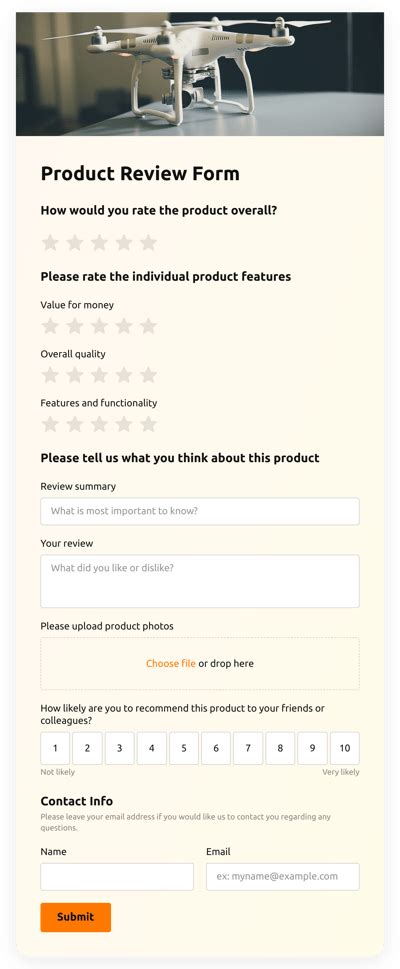
When and where you ask for a review also matters. For products requiring some use to appreciate their craftsmanship or aesthetic integration, wait a reasonable period (e.g., a week or two) after delivery. Send review requests via email, directly linking to a review form that incorporates these specific prompts. Consider offering a small incentive (e.g., a discount on a future purchase) for detailed, thoughtful reviews, emphasizing the quality of feedback rather than just volume.
Leveraging Examples and Guidance
Sometimes, customers need a little inspiration. On your review submission page, consider including a small section with examples of what constitutes a “helpful” or “detailed” review. You could even provide sentence starters or a checklist of things to consider (e.g., “Think about: materials, construction, finish, how it looks in your space, how it makes you feel”). This guidance lowers the barrier to entry for writing a sophisticated review.

Conclusion: Elevating the Review Landscape
By thoughtfully crafting review prompts that specifically target craftsmanship and aesthetic appeal, businesses can transform mundane feedback into compelling testimonials. These detailed, eloquent reviews serve as powerful marketing tools, building a richer narrative around your products and attracting discerning customers who value quality and design. Investing in smart prompting is investing in a more articulate, influential, and ultimately more effective review ecosystem for your brand.