

What review prompts get users to detail craftsmanship, materials & elegant design?

Unlocking Deeper Insights: Beyond the Star Rating
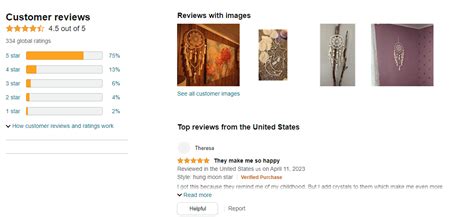
In the crowded marketplace of products and services, a simple star rating often falls short. While convenient, it rarely conveys the rich tapestry of detail that truly informs potential buyers and provides valuable feedback to brands. For products where craftsmanship, quality materials, and elegant design are paramount—think artisanal goods, high-end electronics, or luxury fashion—generic reviews are particularly unhelpful. The challenge lies in nudging users to articulate their nuanced experiences, transforming a vague “it’s good” into a compelling narrative of appreciation or constructive critique.

Why Detailed Feedback on Craftsmanship, Materials, and Design is Crucial
Understanding what makes a product stand out, or where it falls short, goes far beyond its basic functionality. For consumers, reviews detailing these aspects offer a deeper understanding of the product’s value proposition, helping them make informed purchasing decisions that align with their expectations for quality and aesthetics. They want to know if the stitching is perfect, if the wood grain is rich, or if the design truly integrates seamlessly into their home or lifestyle.
For brands, this level of detail is invaluable. It provides actionable insights for product development, quality control, and marketing messaging. Brands can identify what specific design elements resonate, which materials are perceived as premium, and where manufacturing processes can be refined to enhance the overall customer experience. This feedback loop is essential for continuous improvement and building a reputation for excellence.
Crafting Prompts That Encourage Depth
The secret to eliciting rich, descriptive reviews lies in the art of prompting. Instead of broad questions, effective prompts are specific, open-ended, and guide the reviewer towards the specific attributes you wish to explore. They gently encourage introspection and articulate the sensory and aesthetic experience. Here are key strategies:
- Be Hyper-Specific: Avoid vague terms like “quality.” Instead, ask about the “smoothness of the finish” or the “precision of the seams.”
- Focus on Sensory Experience: Encourage users to describe how the product looks, feels, and even smells. “How does the leather feel to the touch?” is more effective than “Is the material good?”
- Use Evocative Language: Words like “meticulous,” “luxurious,” “seamless,” “robust,” or “minimalist” can inspire similar descriptors in the reviewer.
- Provide Examples (Without Limiting): Offer a few examples of what reviewers might consider, but make it clear they aren’t exhaustive.
- Break Down Complex Attributes: Rather than one question about “design,” separate it into questions about “form,” “functionality integration,” and “aesthetic impact.”

Targeted Prompts for Craftsmanship and Materials
Prompting for Craftsmanship:
- “Describe the build quality. Are the joints seamless, the stitching precise, or the construction sturdy?”
- “What specific details, such as finishes or assembly, stand out to you as indicators of skill and attention?”
- “How does the product’s construction contribute to its perceived durability and longevity?”
- “Do you notice any handmade elements or meticulous finishing touches?”
Prompting for Materials:
- “What materials were used, and how do they contribute to the product’s overall feel, weight, or durability?”
- “Does the material feel premium to the touch? Describe its texture, warmth, or coolness.”
- “How does the material choice align with the product’s purpose or aesthetic?”
- “Are there specific aspects of the material (e.g., grain, sheen, density) that you particularly appreciate or dislike?”

Eliciting Details on Elegant Design
Prompting for Elegant Design:
- “How does the product’s design enhance its functionality or user experience? Is it intuitive, ergonomic, or simply beautiful?”
- “Describe the aesthetic. Is it minimalist, luxurious, modern, classic, or something else? How does it make you feel?”
- “Does the design integrate well into your space or lifestyle? Does it complement your existing decor?”
- “What specific design elements—lines, curves, proportions, color palette—do you find most appealing or innovative?”
- “How does the product’s form factor contribute to its overall visual appeal or ease of use?”
Implementing Review Prompts Effectively
Beyond the wording, the timing and presentation of prompts are crucial. Consider these tactical approaches:
- Post-Purchase Email Sequences: Send review requests a few days after delivery, when the user has had time to interact with the product.
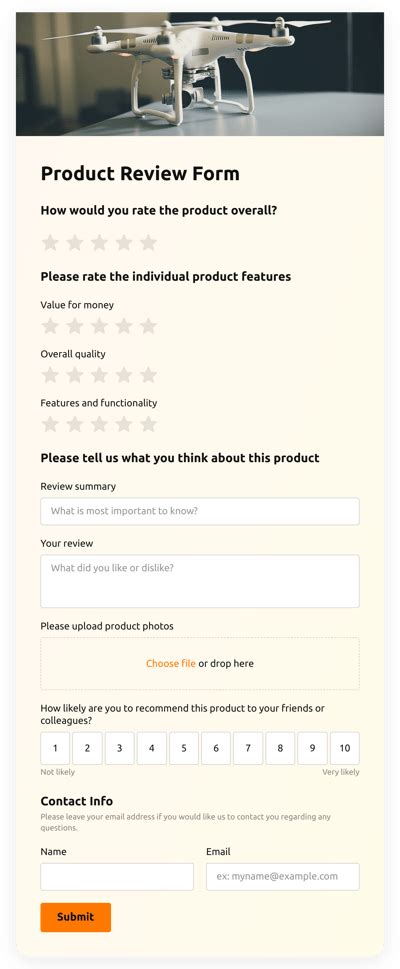
- Categorized Review Forms: Break down the review submission process into sections: “Craftsmanship & Materials,” “Design & Aesthetics,” “Performance,” etc. This guides users through specific aspects.
- Optional Detail Fields: Offer specific prompt questions as optional fields, allowing users to elaborate if they choose, without overwhelming those who prefer a quicker review.
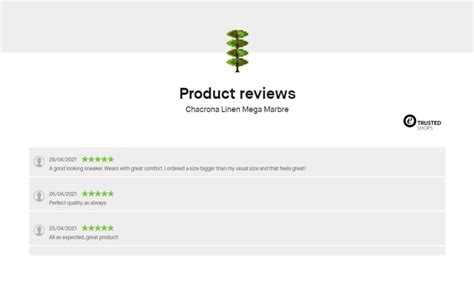
- Showcasing Examples: On your review submission page, show examples of detailed, high-quality reviews to set a standard and inspire users.

Conclusion
Encouraging users to delve into the nuances of craftsmanship, materials, and elegant design transforms reviews from mere ratings into rich, descriptive narratives. By thoughtfully crafting specific, open-ended, and guiding prompts, brands can unlock a treasure trove of user-generated content that not only benefits prospective customers but also provides invaluable insights for product development and marketing. Investing in sophisticated prompting is an investment in understanding your product’s true perceived value and fostering a community of informed and engaged consumers.