


What review questions best capture bespoke quality and aesthetic appeal?
Introduction: Beyond Standard Product Reviews
Reviewing mass-produced items often relies on checklists of standard features and common performance metrics. However, when it comes to bespoke products—items meticulously crafted to individual specifications—the assessment criteria must shift dramatically. Here, quality transcends mere functionality, delving into the artistry, precision, and unique vision brought to life. Evaluating bespoke quality and aesthetic appeal requires a set of nuanced questions that uncover the true essence of custom craftsmanship and design.
Capturing Bespoke Quality: The Essence of Craftsmanship
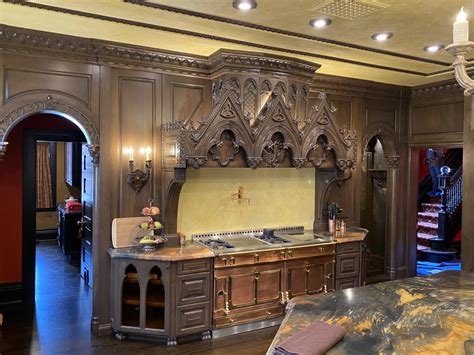
Bespoke quality isn’t just about durability; it’s about the care, skill, and attention to detail that went into its creation. It speaks to the integrity of the materials and the flawless execution of a unique design. To truly capture this, consider the following:
- Precision to Specification: How accurately does the final product align with the original custom brief or design specifications? Were any deviations made, and if so, were they communicated effectively and approved?
- Material Integrity and Sourcing: What is the apparent quality of the materials used? Do they feel premium, durable, and appropriate for the product’s intended purpose? Is there transparency or information about their origin and ethical sourcing?
- Workmanship and Finish: Examine the details. Are seams, joints, finishes, and embellishments executed flawlessly? Are there any imperfections, inconsistencies, or signs of hurried work? Is the level of finish uniform across the entire item?
- Structural Soundness: Does the product feel robust and well-constructed? Are all components securely joined and do they contribute to the overall stability and longevity of the item?
Assessing Aesthetic Appeal: The Art of Design and Visual Impact
Aesthetic appeal in bespoke items is subjective, yet it can be broken down into objective elements of design, harmony, and emotional resonance. It’s about how the product looks, feels, and integrates into its intended environment.
- Design Cohesion and Harmony: Do all the design elements—colors, textures, shapes, and proportions—work together harmoniously? Does the product exhibit a clear and consistent design language?
- Originality and Uniqueness: Does the item possess a distinct character or unique visual signature that sets it apart? Does it feel truly bespoke and not merely a variation of a standard product?
- Emotional Resonance: How does the product make you feel when you interact with it visually or tactilely? Does it evoke a sense of beauty, luxury, comfort, or inspiration?
- Visual Balance and Proportion: Are the proportions pleasing to the eye? Is there a sense of balance in its form, or does any element feel out of place or disproportionate?
- Integration into Intended Environment: How well does the product fit into the space or context for which it was designed? Does it enhance its surroundings as intended?

Beyond the Initial Gaze: User Experience and Longevity
Bespoke items are often investments, and their value extends beyond their initial appearance. How they perform over time and contribute to the user’s experience is crucial.
- Tactile Experience: How does the product feel to touch and use? Are the textures pleasing? Is it comfortable, ergonomic, or satisfying in its intended function?
- Durability and Maintenance: Does the product appear built to last? Are the materials and construction suitable for its expected wear and tear? Are care instructions clear and reasonable?
- Functionality and Practicality (where applicable): Beyond aesthetics, does the bespoke item perform its practical function effectively and efficiently? Does its design enhance or hinder its usability?

The Intangibles: Value, Authenticity, and Narrative
Finally, a bespoke product carries a story and represents a particular value proposition that goes beyond material cost.
- Narrative and Craftsmanship Story: Is there a compelling story behind its creation, the artisan, or the materials? Does this narrative add to its perceived value and authenticity?
- Perceived Value for Investment: Given the custom nature, materials, and craftsmanship, does the price feel justified? Does the product offer good long-term value and retain its appeal?
- Authenticity and Originality: Does the item feel genuinely unique and made with passion, rather than merely mass-produced with a custom label?

Conclusion: Elevating the Bespoke Review
By asking these targeted questions, reviewers can move beyond superficial observations and provide a truly insightful evaluation of bespoke products. This approach not only respects the artisan’s skill and the customer’s vision but also helps others understand the unique value proposition of custom-made items. A comprehensive bespoke review doesn’t just describe; it analyzes, critiques, and celebrates the intricate balance of quality, design, and personal expression.