



What specific photo editing techniques best achieve an ‘Artistry Enhanced, Elegance Defined’ aesthetic?

Cultivating Sophistication Through Strategic Edits
In the world of beauty photography, an ‘Artistry Enhanced, Elegance Defined’ aesthetic transcends mere visual appeal. It’s about crafting images that exude sophistication, timeless grace, and a subtle artistic touch, making the subject truly shine without appearing overly airbrushed or artificial. Achieving this balance requires a discerning eye and a mastery of specific photo editing techniques that focus on refinement rather than drastic transformation.
The goal is to elevate the natural beauty, enhance textures, and create a harmonious visual narrative that speaks volumes about elegance. Let’s dive into the core techniques that will help you define this distinguished aesthetic.
1. Subtle Skin Perfection: The Foundation of Elegance
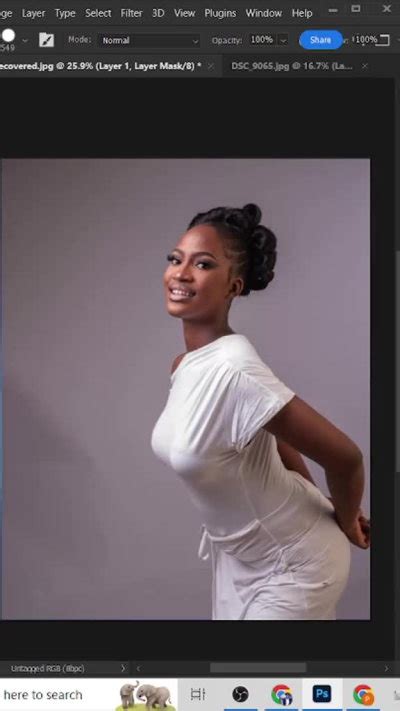
The cornerstone of an elegant aesthetic is impeccable, yet believable, skin. Forget aggressive smoothing; the key here is subtlety and preserving natural texture. Techniques like frequency separation, when used with a light hand, allow you to smooth tones while retaining pores and fine lines, ensuring the skin looks luminous and healthy, not plastic.
Targeted Blemish Removal and Tonal Harmony
Utilize the healing brush and clone stamp tools for precise blemish removal, discoloration correction, and stray hair cleanup. Following this, gentle dodging and burning can add natural dimension and sculpt the face, highlighting features and creating a soft glow where light would naturally fall. The aim is to create an even, radiant complexion that serves as a pristine canvas.
2. Masterful Color Grading: Setting the Mood
Color is paramount in defining the mood and overall feel of an image. For an ‘Elegance Defined’ aesthetic, think refined palettes – often leaning towards soft, desaturated tones, classic film-inspired looks, or a harmonious blend of warm and cool hues. Avoid overly vibrant or aggressive color shifts.
Balanced Tones and Selective Desaturation
Start with precise white balance correction to ensure true-to-life colors. Then, use HSL (Hue, Saturation, Luminance) adjustments to subtly desaturate distracting colors or enhance specific tones, such as enriching skin tones or softening background greens. A gentle split toning, perhaps adding a touch of cool to the shadows and warmth to the highlights, can create a sophisticated depth and cohesion. Lightroom presets or Capture One styles, specifically designed for a refined look, can be a great starting point, but always customize them to fit your specific image.
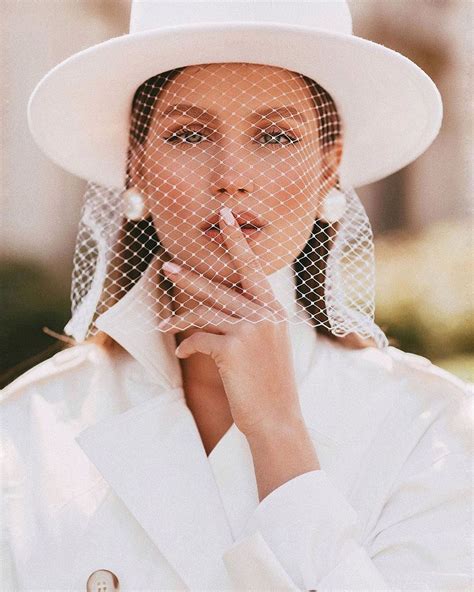
3. Dynamic Lighting Enhancement: Sculpting with Light
Light is a sculptor, and effective editing enhances its power. Whether working with natural or artificial light, adjustments to highlights, shadows, and contrast are crucial for adding depth and drama without harshness.
Strategic Contrast and Dimension
Increase contrast subtly to make the image pop, but avoid crushing shadows or blowing out highlights. Instead, use local adjustments – such as radial filters or adjustment brushes – to selectively brighten key areas, like the eyes or high points of the face, and deepen shadows around contours. This creates a three-dimensional effect that draws the viewer’s eye and adds an artistic flair, reminiscent of fine art portraiture.
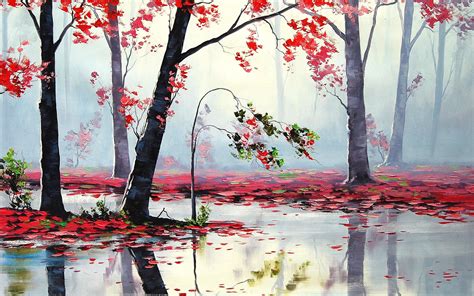
4. Background Harmony: The Unsung Hero
An elegant image demands a background that complements, rather than competes with, the subject. Often, simplifying and harmonizing the background can dramatically elevate the overall aesthetic.
Cleanliness and Subtle Blur
Employ content-aware tools to remove distracting elements that pull focus. A gentle background blur (bokeh) can be enhanced in post-processing to further isolate the subject. Pay attention to the background’s color and luminosity; often, a slight desaturation or darkening of the background can make the subject stand out more prominently, contributing to a clean and sophisticated composition. Ensure the transition between subject and background is seamless and natural.

5. Finishing Touches: Sharpening and Subtle Effects
The final steps involve refining details and adding a touch of artistry to truly define the aesthetic.
Selective Sharpening and Artistic Grain
Apply sharpening selectively to key features like eyes, lips, and hair to ensure they are crisp without over-sharpening the skin. A subtle vignette, when used sparingly, can draw attention to the center of the frame and add a classic, refined feel. Consider adding a delicate film grain or noise to give the image a more organic, artistic texture, moving away from the overly digital look. These minor additions can collectively transform a good image into a masterpiece of ‘Artistry Enhanced, Elegance Defined’.

Conclusion
Achieving an ‘Artistry Enhanced, Elegance Defined’ aesthetic in beauty photography is an intricate dance between technical skill and artistic vision. It’s about understanding that true elegance lies in refinement, subtlety, and intentional choices. By meticulously applying these techniques – from perfecting skin and mastering color to enhancing light and refining backgrounds – you can create images that not only showcase beauty but also tell a story of sophisticated artistry.