
What workshop strategies ensure personalized technique mastery for diverse eye shapes & skin types?

The Imperative of Personalized Makeup Education
In a world celebrating individuality, the ‘one-size-fits-all’ approach to makeup education is rapidly becoming obsolete. True technique mastery isn’t about rote memorization of steps, but rather understanding how to adapt principles to unique facial features, particularly diverse eye shapes and varying skin types. Effective workshops must transcend generic demonstrations, diving deep into personalized application, product selection, and problem-solving. This shift ensures participants not only learn a look but gain the foundational knowledge to customize any technique for their specific needs.
Moving beyond basic tutorials requires a strategic approach that prioritizes individual assessment, hands-on adaptation, and tailored guidance. The goal is to empower every participant, regardless of their unique features, to confidently achieve their desired makeup results with skill and precision.
Strategic Pillars for Tailored Learning
1. Pre-Workshop Individualized Assessments
The foundation of personalized learning begins before the workshop even starts. Implementing a comprehensive pre-workshop assessment questionnaire allows instructors to gather vital information about each participant’s eye shape (e.g., hooded, monolid, almond, round), skin type (e.g., oily, dry, combination, sensitive, mature), skin tone, current skill level, and specific learning goals. This data enables instructors to group participants intelligently or at least be prepared to address a spectrum of needs, tailoring demonstrations and practice exercises accordingly. Some workshops even include a brief one-on-one consultation ahead of time to build rapport and set personalized expectations.
2. Small Group Dynamics & One-on-One Coaching
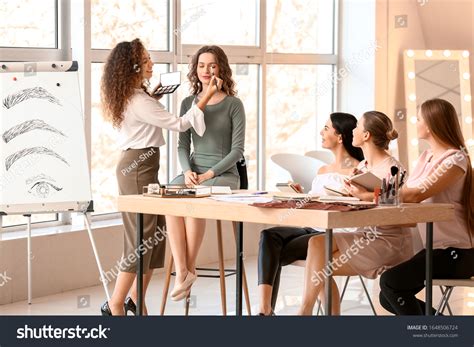
Limiting workshop sizes is crucial for personalized attention. Smaller groups foster a more intimate learning environment where instructors can dedicate significant one-on-one time to each participant. This allows for direct observation of application techniques, immediate correction of errors, and customized feedback that addresses individual challenges. Instead of a broad lecture, the instructor can literally stand over a student, guiding their hand or explaining how a specific brush angle changes for their particular eye shape or how a product behaves on their skin type.
3. Diverse Product Kits & Adaptable Tools
A truly inclusive workshop provides access to a wide array of products suitable for various skin tones, textures, and sensitivities. Participants should learn not just to use specific products, but to understand the characteristics of different formulations (e.g., matte vs. dewy foundation for oily vs. dry skin, cream vs. powder eyeshadow for mature eyelids). Instructors should demonstrate how to select and adapt tools (brushes, sponges) for different areas and effects, emphasizing that one brush doesn’t fit all eye shapes or skin textures equally effectively.
4. Multi-Model Demonstrations & Adaptation Explanations
Instead of relying on a single model, effective workshops incorporate multiple models showcasing diverse eye shapes and skin types. Each demonstration should explicitly highlight how a technique is adapted. For example, applying eyeliner on a hooded eye versus an almond eye, or contouring for a round face versus an oval face. The instructor should articulate the ‘why’ behind each adaptation, fostering a deeper understanding of principles rather than just copying a look. Interactive Q&A sessions during these demos allow participants to immediately relate the information to their own features.
5. Iterative Practice & Constructive Feedback Loops
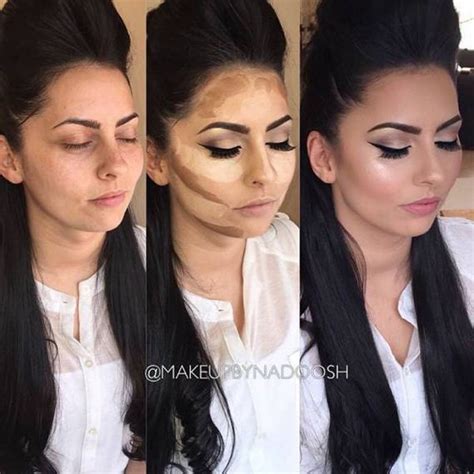
Ample hands-on practice time is non-negotiable. Participants must have the opportunity to apply techniques on themselves, allowing them to feel the product and navigate their own features. Following practice, structured feedback sessions are essential. This isn’t just about pointing out flaws, but guiding improvements. Instructors can use ‘before and after’ photos (taken with consent) or mirror work to help participants visually track their progress and identify areas for refinement. Encouraging peer feedback in a supportive environment can also be beneficial, fostering a collaborative learning atmosphere.

6. Post-Workshop Resources & Ongoing Support
Learning doesn’t end when the workshop does. Providing comprehensive post-workshop resources reinforces learning and allows for continued practice. This could include detailed handouts with step-by-step instructions tailored to common eye shapes/skin types, product recommendation lists, and access to private online forums or video libraries for further reference. Offering a limited-time follow-up Q&A session or a brief virtual check-in can also ensure participants feel supported as they integrate new skills into their daily routines.
Conclusion
Ensuring personalized technique mastery in makeup workshops requires a deliberate shift from generic teaching to an individualized, adaptive, and supportive educational model. By integrating pre-assessments, small group coaching, diverse product access, multi-model demonstrations, iterative feedback, and robust post-workshop resources, instructors can empower participants to not only master specific techniques but truly understand how to adapt them to their unique beauty. This comprehensive approach builds confidence, fosters genuine skill, and ultimately delivers a more valuable and transformative learning experience for every individual.