


How to adapt online makeup tutorials for my unique features & truly enhance my artistry?
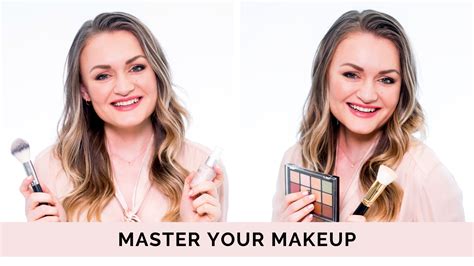
The digital age has blessed us with an abundance of online makeup tutorials, offering endless inspiration and step-by-step guides. From dramatic winged liner to flawless contouring, these videos promise transformation. However, what works perfectly on one face might not translate directly to another. The secret to truly enhancing your makeup artistry lies not in perfect replication, but in intelligent adaptation. This guide will walk you through how to tailor those popular techniques to celebrate your unique features, transforming you from a follower to a true artist.
Understanding Your Canvas: Your Unique Features
Before you can adapt, you must understand what makes your face uniquely yours. Generic tutorials often operate on an ‘average’ face, but every individual has distinct characteristics that influence how makeup sits and looks.
Face Shape & Structure
Identify your face shape (round, oval, square, heart, long) and bone structure. This dictates where contour and highlight should be placed to sculpt and enhance, rather than just copying what someone else does. For instance, someone with a round face will contour differently than someone with a heart-shaped face.
Eye Shape & Placement
Are your eyes hooded, almond, monolid, deep-set, wide-set, or close-set? The technique for eyeshadow blending, eyeliner application, and even lash placement varies dramatically depending on your eye shape. A cut crease on a hooded eye requires a different approach than on an almond eye.
Skin Tone & Undertone
Beyond just light, medium, or dark, understanding your skin’s undertone (warm, cool, neutral, olive) is crucial for selecting the right foundation, concealer, blush, and even eyeshadows that truly flatter your complexion.
Lip Shape & Size
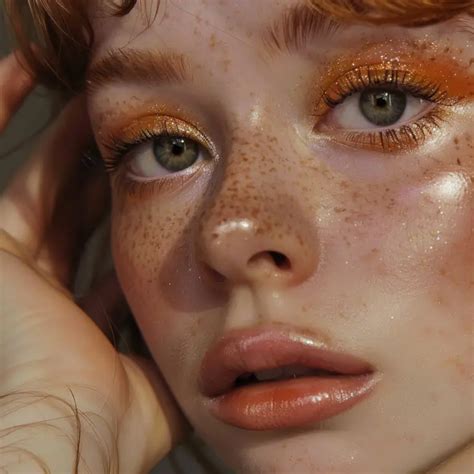
Whether you have full lips, thin lips, an asymmetrical cupid’s bow, or a distinct natural shape, adapting lip lining and color application can create the most harmonious result.
Deconstructing the Tutorial: Beyond Surface-Level Copying
Don’t just watch what a beauty guru does; try to understand why they do it. What effect are they trying to achieve? Is it to lift, define, brighten, enlarge, or minimize?
- Identify the Goal: Is the tutorial aiming for a smoky eye, a defined jawline, or fuller lips?
- Analyze the Technique: Break down each step. Why is the brush held that way? Why is the product applied to that specific area?
- Recognize the Universal Principles: Many makeup techniques are based on principles of light and shadow, color theory, and illusion. A darker shade recedes, a lighter shade brings forward. Understanding these basics allows you to apply them to your own face, not just mimic a movement.
Techniques for Personalized Adaptation
Armed with self-knowledge and a deeper understanding of makeup principles, you can now skillfully adapt.
Adjusting Placement & Intensity
The most common adaptation involves shifting where you apply product and how much you use.
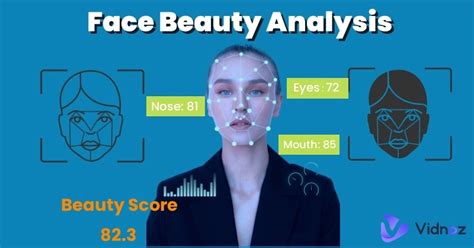
- Contour & Highlight: If a tutorial shows contouring under the cheekbone, find your cheekbone and place it slightly above or below based on whether you want to lift or slim.
- Eyeliner: A dramatic wing might need to be shorter or angled differently for hooded eyes to prevent it from disappearing when your eyes are open.
- Blush: Apply blush to the apples of your cheeks for fullness, or higher on the cheekbones to lift, depending on your face shape.
Customizing Color Choices
Color is transformative.
- Foundation & Concealer: Always match your exact skin tone and undertone. Never guess.
- Eyeshadows: While a tutorial might use specific shades, understand the color family and depth they are going for. Swap a cool-toned brown for a warm-toned one if it suits your undertone better, or choose a lighter/darker version of a color if the original is too stark or too subtle for your complexion.
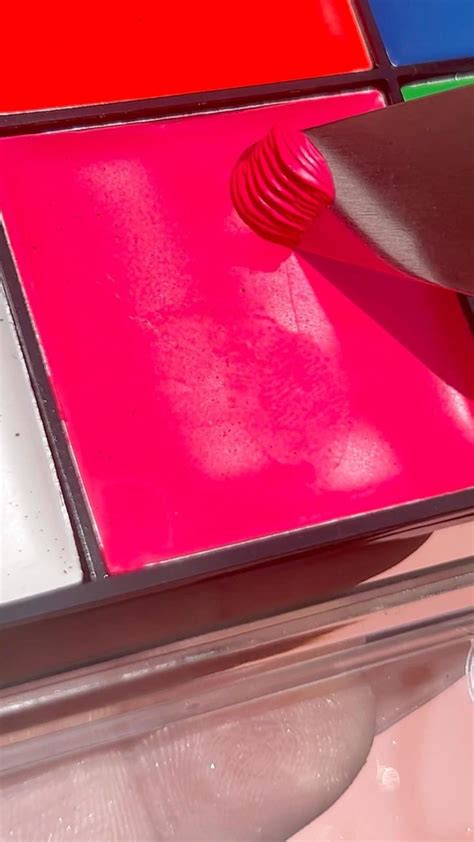
- Lipstick: If a bold red is shown, consider if a true red, an orange-red, or a blue-red will flatter your skin tone most.
Modifying Shapes & Lines
The shapes you create with makeup are paramount.
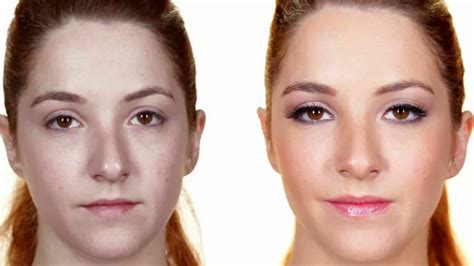
- Brows: Instead of drawing the exact brow shape of a guru, use their technique (e.g., feathering strokes) to enhance your natural brow shape and arch.
- Winged Liner: Adjust the length, thickness, and angle of your wing to best complement your eye shape. A downward-sloping wing on a downturned eye can make eyes appear more tired; an upward flick is often more flattering.
The Art of Experimentation & Practice
Adaptation is an iterative process. Don’t be afraid to experiment!
- Trial and Error: What works for one person with a similar feature might not work for you. Try different placements, different brushes, different product types.
- Practice Makes Perfect: The more you practice adapting, the more intuitive it becomes. You’ll start to anticipate how a technique needs to be modified for your face.
- Take Photos: Selfies in different lighting can provide invaluable feedback on how makeup actually looks on you, revealing areas for improvement or successful adaptations.
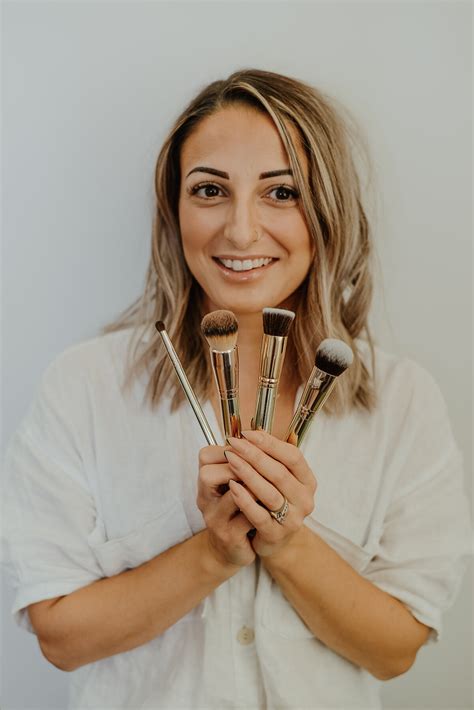
Moving beyond mere replication to thoughtful adaptation is the hallmark of a true makeup artist. By understanding your unique features, deconstructing tutorial techniques, and fearlessly experimenting, you unlock the power to create looks that truly enhance your natural beauty. This journey from follower to creator not only builds confidence but also allows you to develop your own signature style, making every makeup application a personal expression of artistry.